

A tummy tuck, or abdominoplasty, removes loose, excess skin from the abdomen and tightens stretched or separated muscles underneath. It's designed for people whose midsection hasn't responded to diet and exercise, most often after pregnancy or significant weight loss.
Your NSPS surgeon performs tummy tucks for patients across Chicago with a focus on comfort and natural contours. He uses a drainless technique with progressive tension sutures, along with long-acting numbing medicine, to help make recovery easier.
The result is a flatter, firmer stomach, a more defined waist, and a scar placed low enough to hide under most underwear and swimsuits.
Am I a good candidate for a tummy tuck?
A tummy tuck is a good fit if you're close to a stable, healthy weight and bothered by loose skin or a belly that pushes forward even when you're fit. It's especially helpful for women after pregnancy and for anyone who has lost a lot of weight.
- Loose, hanging, or crepey skin on the lower abdomen
- Abdominal muscles that separated during pregnancy (diastasis recti)
- A lower belly "pooch" that doesn't respond to exercise
- Stretch marks below the belly button, many of which can be removed
- Skin that folds over a C-section scar
Ideal candidates don't smoke and are done having children, or plan to wait. A future pregnancy can stretch the muscles and skin again. If your concern is mostly stubborn fat and your skin is still firm, liposuction alone may be enough. Your NSPS surgeon will help you figure out which approach makes sense.
Benefits of a tummy tuck
A tummy tuck does more than remove skin. By repairing the abdominal wall, it can reshape your whole midsection from the inside out.
- A flatter, firmer stomach and slimmer waistline
- Repair of separated muscles, which some patients feel improves core support
- Removal of stretched skin and many lower-belly stretch marks
- Better fit in clothing and swimwear
- A refreshed belly button shape
Many patients say the biggest change is feeling comfortable in their own body again.
Types of tummy tuck
Not everyone needs the same operation. Your NSPS surgeon tailors the procedure to how much skin you have, where it is, and whether your muscles need repair.
- Full tummy tuck: Addresses the entire abdomen above and below the belly button. It includes muscle repair, removal of excess skin, and repositioning of the belly button.
- Mini tummy tuck: Best for a small amount of loose skin below the belly button. The scar is usually shorter, and the belly button isn't moved.
- Extended tummy tuck: The incision continues around the hips to treat loose skin on the flanks, which is common after major weight loss.
- Tummy tuck with liposuction: Liposuction of the flanks or upper abdomen can sharpen the waist and improve overall contour.
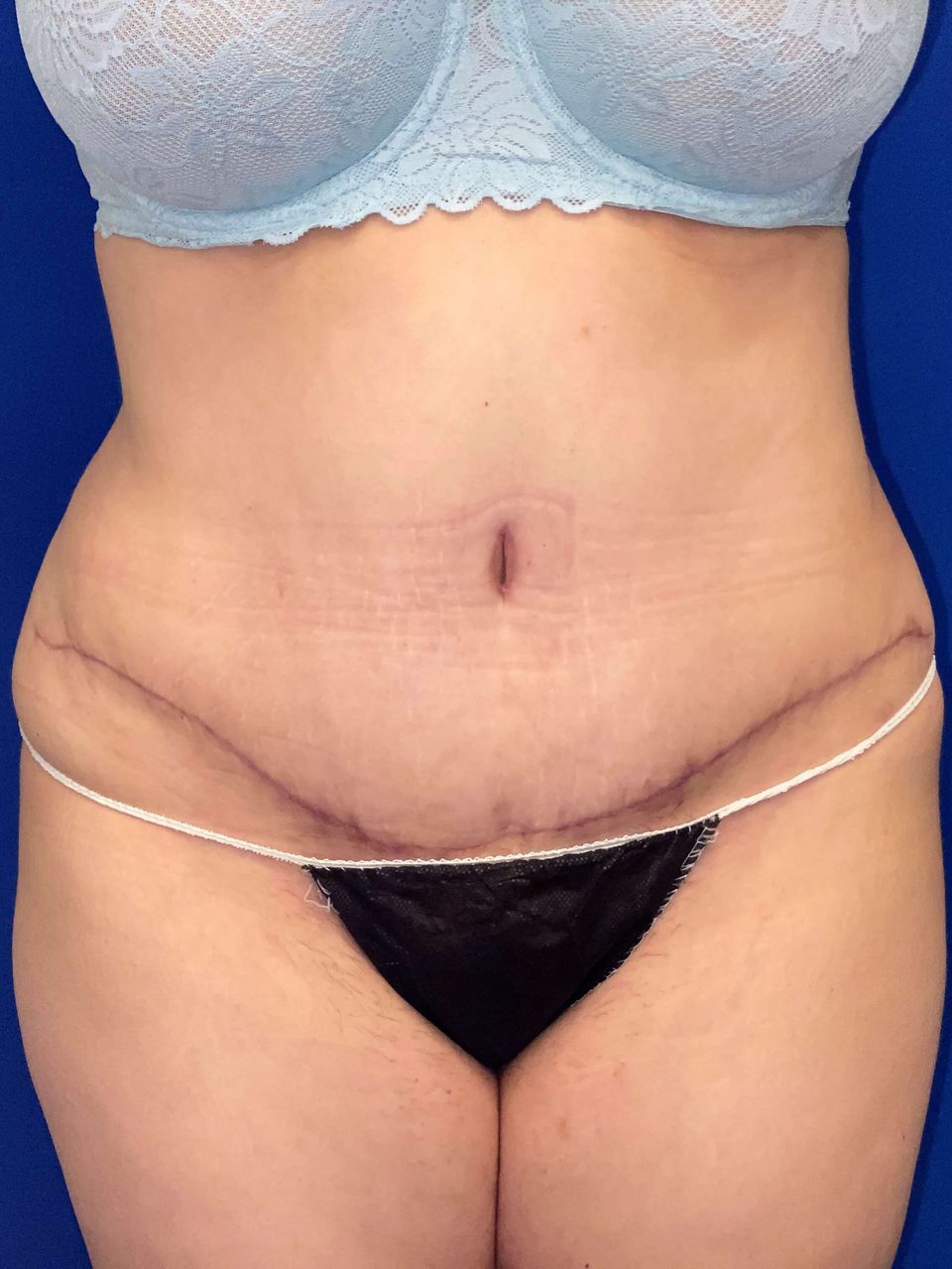
The incision is placed low, usually between the hip bones, so it can be hidden under most bikini bottoms. Your NSPS surgeon will mark your scar position with you before surgery.
The drainless tummy tuck with Exparel
Traditionally, tummy tucks required plastic tubes called drains to remove fluid for one to two weeks after surgery. Many patients find drains uncomfortable and inconvenient.
Your NSPS surgeon uses a drainless technique built on progressive tension sutures. These internal stitches anchor the skin flap to the deeper tissue, which closes the space where fluid would otherwise collect and spreads tension evenly along the incision.
He also uses Exparel, a long-acting local anesthetic placed during surgery that can numb the area for about three days. Patients often find it helps reduce discomfort and the need for opioid pain medicine in the early days of recovery. Together, these steps are designed to make recovery simpler and more comfortable.
How do I prepare for a tummy tuck?
Good preparation can make your recovery smoother. Your NSPS surgeon and his team will give you a detailed checklist, but here are the basics.
- Stop smoking and all nicotine products, including vapes and patches, for several weeks before and after surgery
- Pause certain medications and supplements that increase bleeding, as directed
- Arrange for a trusted adult to drive you home and help for the first few days
- Set up a recovery space with pillows to keep you slightly bent at the waist
- Stock up on easy meals, loose clothing, and anything you'll need within reach
It also helps to stay active and eat well in the weeks before surgery. A strong, healthy body heals faster.
What happens on the day of surgery?
On surgery day, your NSPS surgeon will review your goals and mark your incision while you're standing. You'll then receive general anesthesia so you're fully asleep and comfortable.
Depending on the extent of your procedure, surgery usually takes two to four hours. Your NSPS surgeon repairs the muscles, removes excess skin, repositions the belly button, and closes the incision in layers. Most patients go home the same day with a trusted adult who can stay with them.
You'll wake up in a compression garment, slightly bent at the waist to take tension off the incision.
What is tummy tuck recovery like?
The first week is about rest and gentle walking. You'll walk slightly bent forward for several days, then gradually stand straighter as the tissue relaxes.
Many patients return to desk work in about two weeks. You'll wear a compression garment for several weeks and avoid heavy lifting and core exercise for about six weeks, especially if your muscles were repaired.
Swelling improves steadily over the first few months. Your scar will start out pink and slowly fade over 12 to 18 months. Your NSPS surgeon will give you scar care guidance to help it heal as well as possible.
How long do tummy tuck results last?
Tummy tuck results are long-lasting. The skin that's removed doesn't come back, and the muscle repair is designed to hold.
Major weight gain or a future pregnancy can stretch the abdomen again, so it's best to reach a stable weight and finish having children first. Normal aging will still affect your body, but most patients enjoy a noticeably flatter midsection for many years.
Risks and safety
Like any major surgery, a tummy tuck carries risks. These can include bleeding, infection, fluid collection (seroma), delayed wound healing, changes in skin sensation, visible scarring, and blood clots.
Your NSPS surgeon reduces risk by carefully screening your health, asking you to stop smoking and nicotine use, encouraging early walking, and using techniques such as progressive tension sutures. You'll know exactly which warning signs to watch for and how to reach the team at any time.
Combining a tummy tuck with other procedures
A tummy tuck is often combined with breast surgery in a mommy makeover, or with liposuction of the flanks, back, or thighs. Combining can mean one recovery instead of two.
Your NSPS surgeon will weigh the benefits of combining against your health and safety, and recommend the plan that fits you best.
How much does a tummy tuck cost in Chicago?
Tummy tuck cost depends on the type of procedure, the amount of muscle repair and liposuction needed, anesthesia and facility fees, and whether you add other procedures. You'll receive a personalized quote after your consultation.
Cosmetic tummy tucks are generally not covered by insurance. In some cases, a related hernia repair may be evaluated separately. Our team can review financing options with you.
Why choose your NSPS surgeon for your tummy tuck?
Your NSPS surgeon is a board-certified plastic surgeon, Harvard-educated and Northwestern-trained, with both an MD and a PhD. His background in reconstructive surgery, including abdominal tissue flaps, gives him a deep understanding of abdominal wall anatomy.
His drainless approach and use of long-acting numbing medicine reflect his focus on a smoother recovery. Most of all, he aims for results that look natural and athletic, never overdone. Schedule a consultation at his Chicago office to learn what a tummy tuck can do for you.
Tummy Tuck Recovery Timeline
- Day 1–3Rest at home in a compression garment. Walk short distances several times a day, slightly bent at the waist. Long-acting numbing medicine helps with early comfort.
- Week 1First follow-up visit. Posture gradually becomes more upright. No drains to manage.
- Weeks 2–3Many patients return to desk work and light activities. Continue wearing compression.
- Weeks 4–6Swelling decreases noticeably. Light exercise may resume; avoid core work and heavy lifting.
- Weeks 6–8Most patients are cleared for full activity, including core exercises, with your surgeon's approval.
- Months 3–6Final contour becomes visible as residual swelling resolves.
- Months 12–18Scar continues to flatten and fade.
Individual healing timelines vary. Your NSPS surgical team provides tailored post-operative guidance.
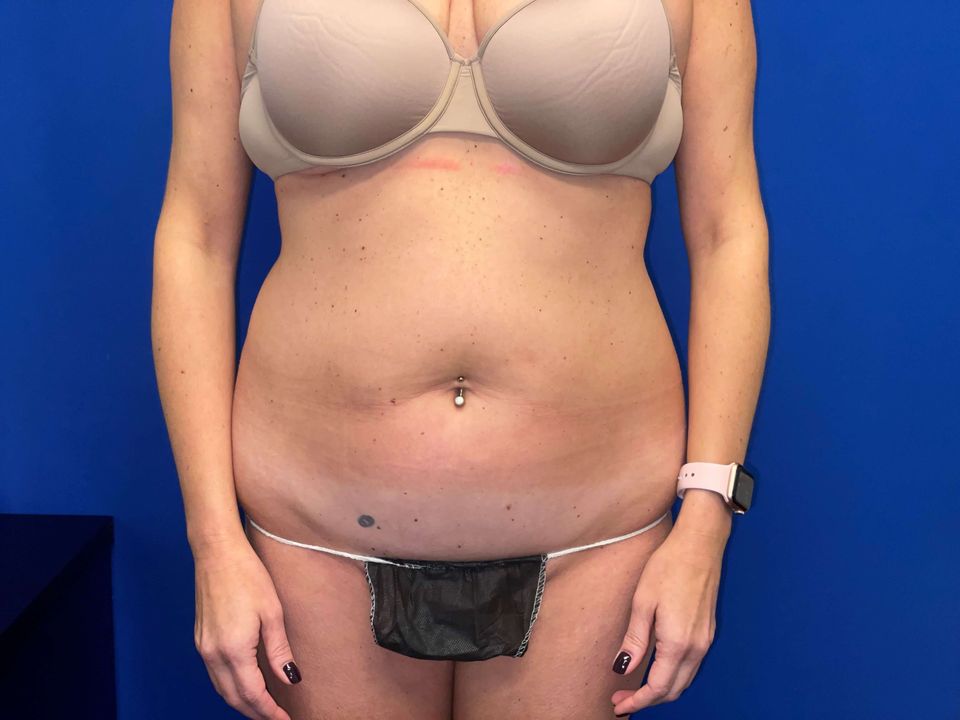
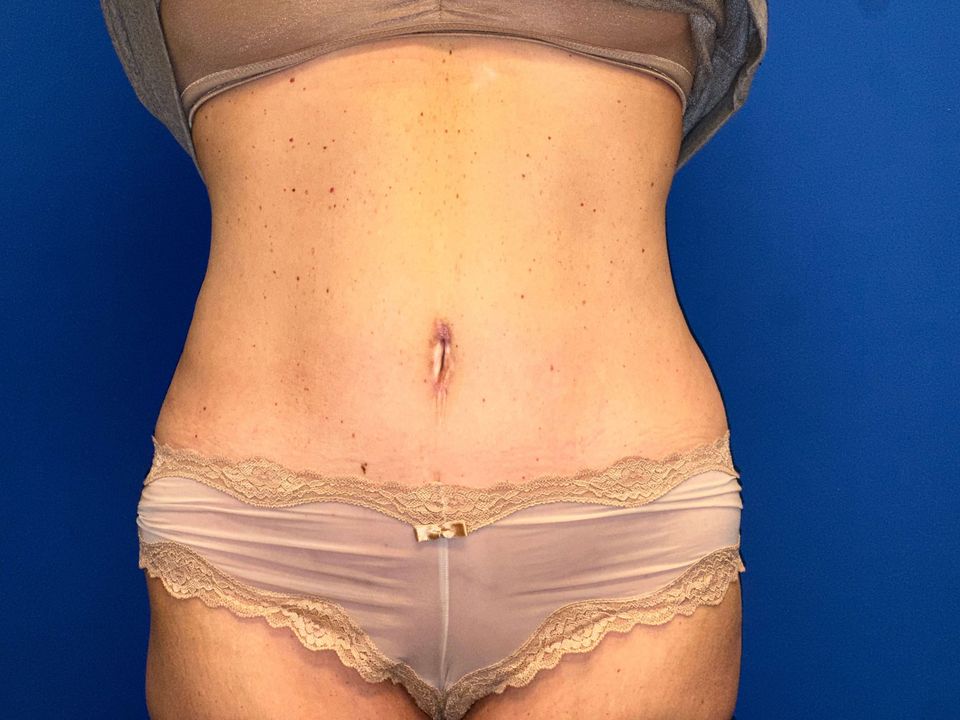
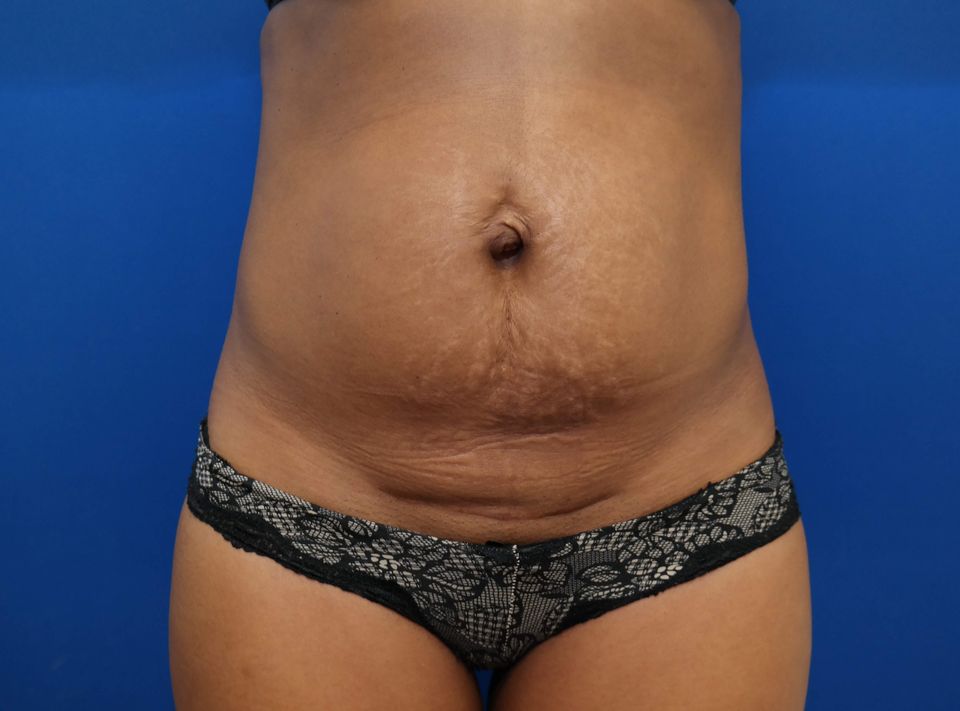
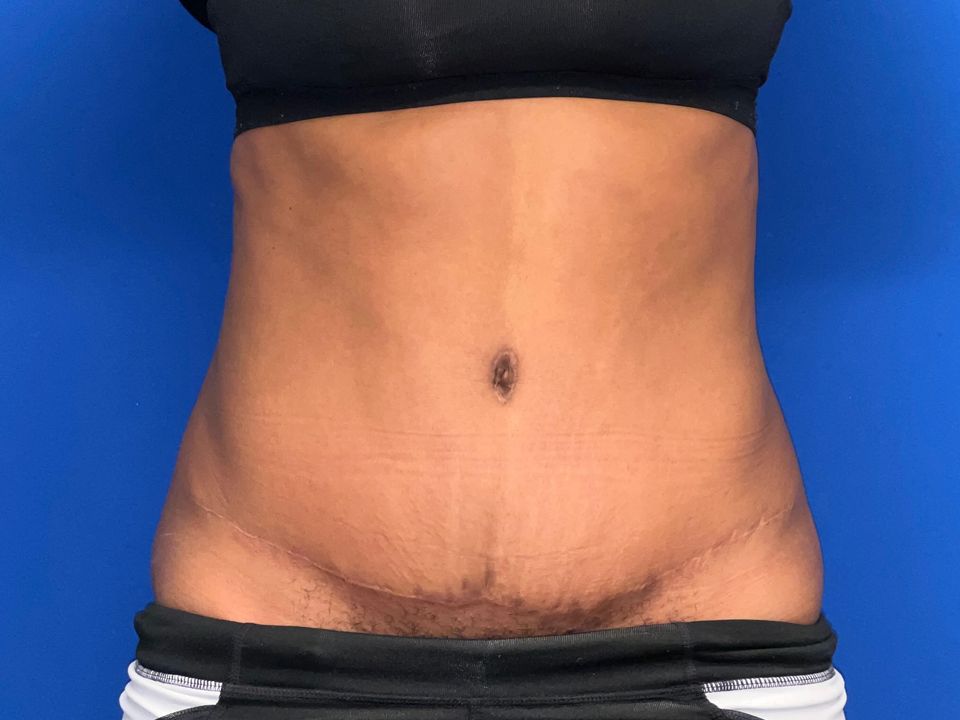
Tummy Tuck Before & After Photos
View all cases →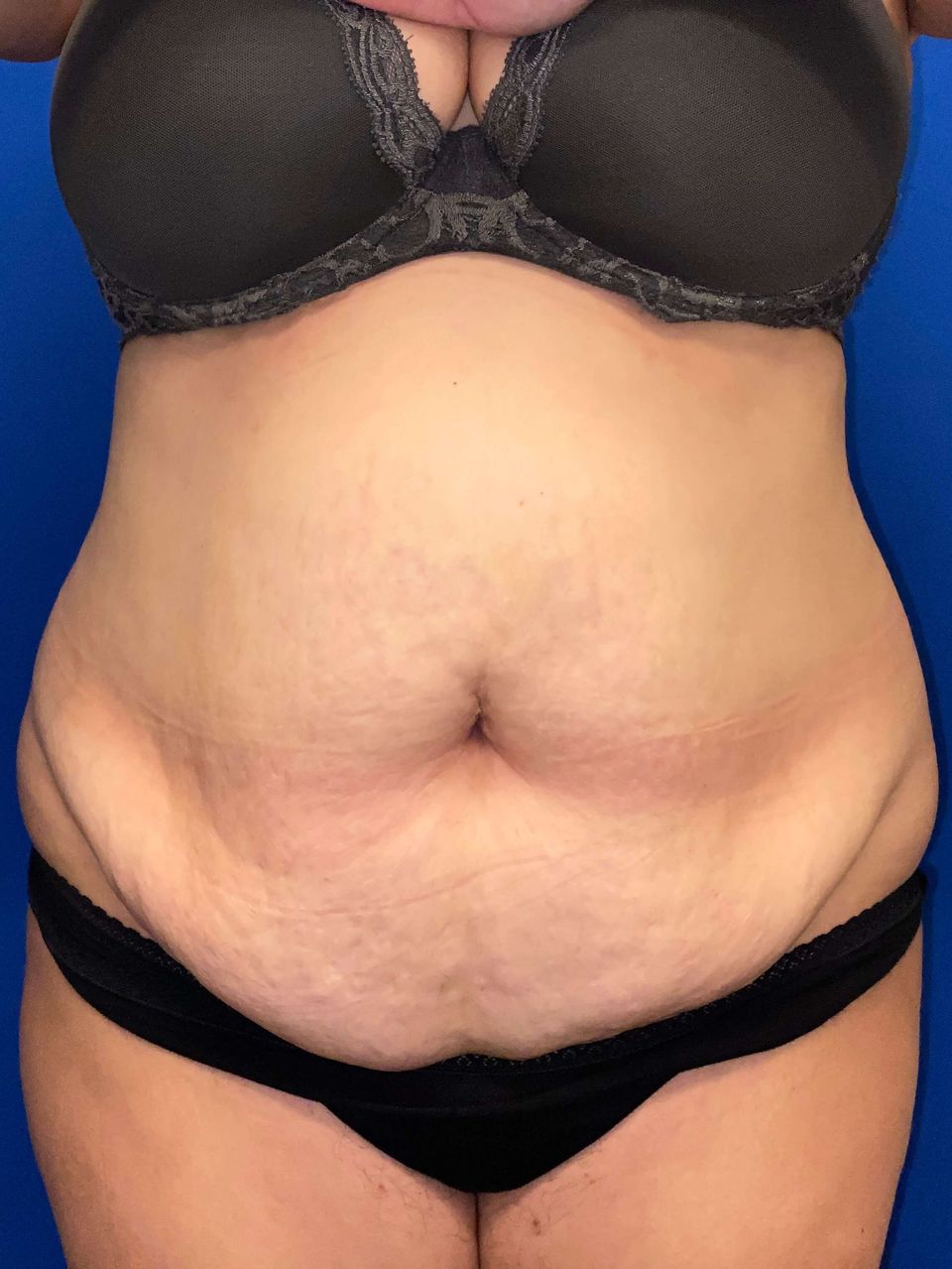
Video Education
Academic Authority
Published Research on Tummy Tuck
Outpatient Abdominoplasty Under Conscious Sedation
Aesthetic Surgery Journal · 2007;27(4):442–449 (2007)
Peer-reviewed clinical study demonstrating how perforator- and lymphatic-sparing abdominal dissection reduces postoperative nausea, narcotic requirements, and venous thromboembolism risk while supporting smoother recovery.
Tummy Tuck Frequently Asked Questions
How much does a tummy tuck cost?
During your consultation, we will create a personalized tummy tuck plan based on your specific needs and goals before providing an estimated cost. Pricing will depend on factors such as the type of abdominoplasty, the surgical technique used, and the type of anesthesia required. To make the procedure more accessible, we offer various payment options and can assist you in finding low-interest medical financing.
What type of tummy tuck should I get?
There are three main types of tummy tucks: full, extended, and mini. During your consultation, we will listen to your concerns, discuss your aesthetic goals, and conduct a physical exam to determine the most suitable approach. A full tummy tuck addresses both the upper and lower abdomen, while a mini tummy tuck focuses on the area below the belly button, often targeting a lower belly "pooch." An extended tummy tuck is ideal for addressing concerns in the abdomen, hips, and upper thighs.
What will my scars look like?
The location and length of your scars will depend on the type of tummy tuck performed. We use the thinnest incisions possible and strategically place them in less visible areas, such as the pubic region or around the belly button, to ensure they can be easily concealed by underwear or swimwear. Following your surgery, it's essential to follow our scar care guidelines to promote smooth healing and minimize the appearance of scars.
Can I get pregnant after a tummy tuck?
While it is possible to become pregnant after a tummy tuck, doing so could affect your results. We recommend waiting until you are done growing your family before undergoing abdominoplasty. If you do become pregnant afterward, a revision surgery can be considered to restore your previous results.
Do I need drains after a tummy tuck?
In most cases, no. Your NSPS surgeon uses progressive tension sutures that close the space where fluid would collect, which usually removes the need for drains. He will confirm the best approach for you at consultation.
What is Exparel and how does it help?
Exparel is a long-acting local anesthetic placed during surgery. It can numb the area for roughly three days, which many patients find makes the first days of recovery more comfortable and may reduce the need for opioids.
Where will my tummy tuck scar be?
The scar is placed low on the abdomen, usually between the hip bones, so it can be hidden under most underwear and swimsuits. There is also a small scar around the belly button. Your NSPS surgeon marks the position with you beforehand.
How much time off work will I need?
Most patients take about two weeks off from a desk job. If your job is physical, you may need four to six weeks before returning to full duties.