
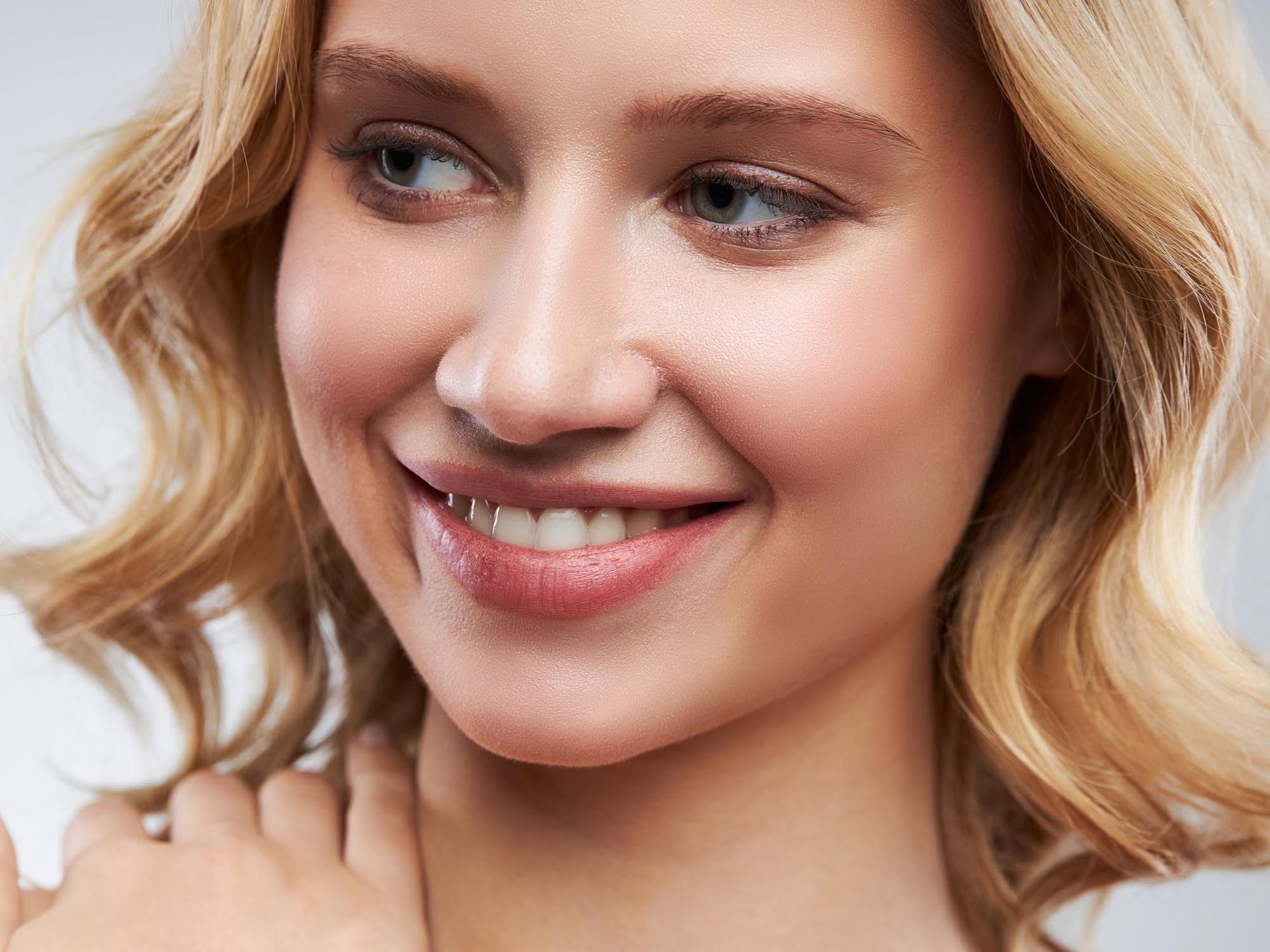
Dermaplaning is a gentle, non-invasive physical exfoliation performed with a sterile medical blade feathered at a precise 45-degree angle to sweep away dull stratum corneum buildup and fine facial vellus hair ('peach fuzz').
Ideal on its own or as a prep step before HydraFacial®, chemical peels, or gentle lasers, dermaplaning allows medical skincare serums to absorb evenly and makes foundation glide on flawlessly—with zero redness or downtime.
Smooth Exfoliation Without Harsh Friction
Unlike mechanical crystal microdermabrasion, clinical dermaplaning creates zero suction trauma or broken capillaries—making it safe for dry, sensitive, or rosacea-prone skin and safe during pregnancy when certain retinoids and peels are paused.
Dermaplaning Recovery Timeline
- ImmediatelyUltra-smooth surface texture; protect fresh skin daily with gentle mineral SPF 30+.
Individual healing timelines vary. Your NSPS surgical team provides tailored post-operative guidance.
Video Education
Dermaplaning Frequently Asked Questions
Does dermaplaning hurt?
Dermaplaning is generally considered a comfortable procedure that does not require anesthesia. Most individuals describe the sensation as a gentle scraping across the skin rather than pain.
Will dermaplaning make facial hair grow back thicker?
No, dermaplaning does not change the thickness, color, or growth rate of facial hair. The fine vellus hair, often called peach fuzz, grows back with the same texture it had before treatment.
Can dermaplaning be combined with other facial treatments?
Yes, dermaplaning is frequently paired with treatments such as chemical peels, hydrating facials, or advanced skincare therapies because removing surface debris may improve product absorption. Your provider can recommend the best combination based on your individual skin concerns.