
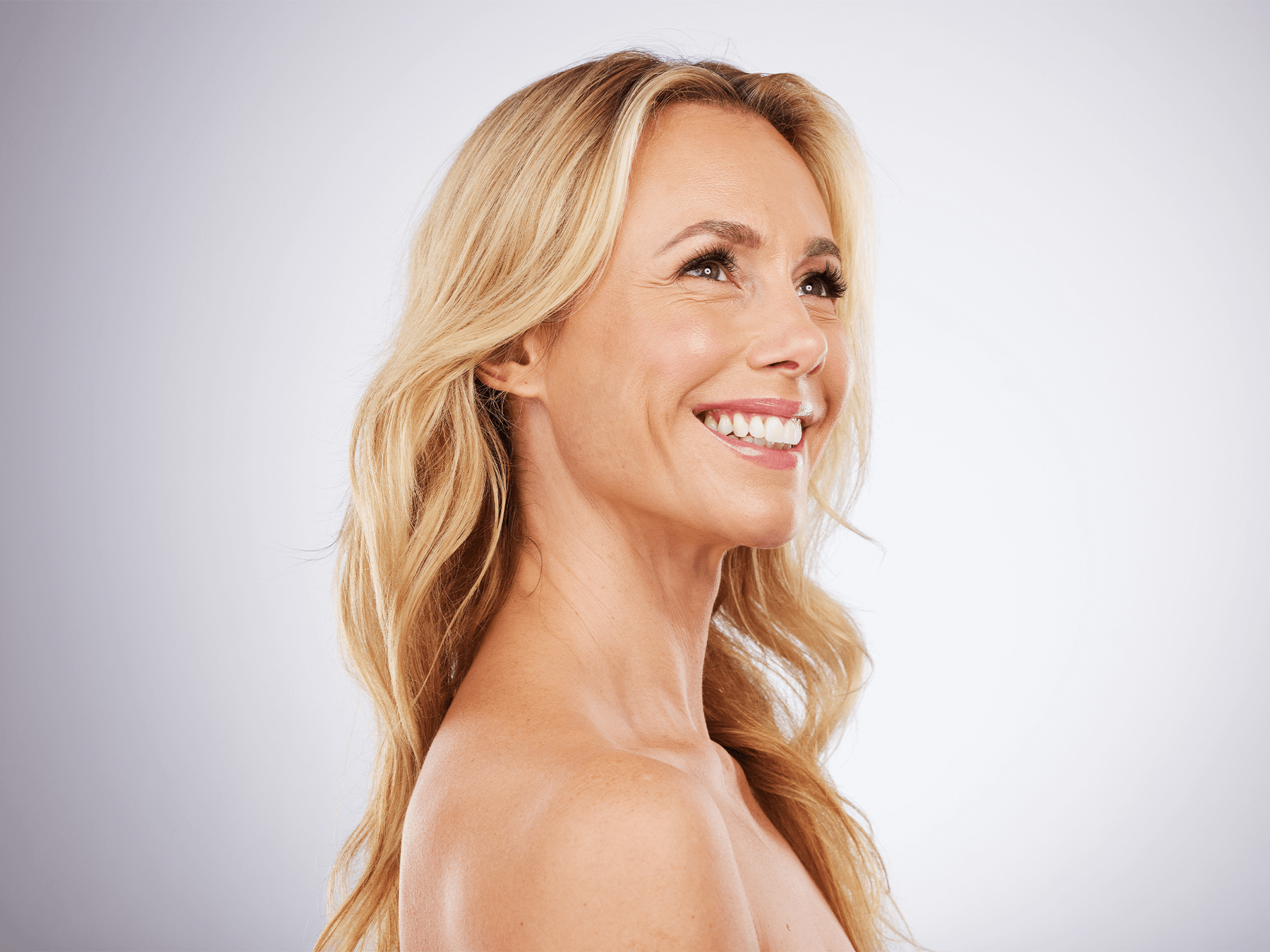
A facelift and neck lift are procedures that lift and tighten the deeper tissues of the lower face and neck, then remove excess skin. They're designed for people bothered by jowls, deep folds, sagging cheeks, or loose skin and bands on the neck.
The goal isn't to make you look like someone else. Your NSPS surgeon aims for a refreshed, rested version of you, without the windswept or tight look that people fear.
For patients in Chicago, your NSPS surgeon tailors each facelift to your anatomy and goals, often pairing it with fat grafting or eyelid surgery for a balanced, natural rejuvenation.
What a facelift can and can't do
It's helpful to understand exactly what a facelift addresses so you can set realistic expectations.
A facelift mainly improves the lower two-thirds of the face: the cheeks, jawline, and jowls. A neck lift addresses the area from the chin down. Together, they can restore a smoother jawline and a cleaner neck angle.
A facelift doesn't change the texture of your skin, smooth fine lines around the lips, lift the brows, or rejuvenate the eyelids. Those concerns are better treated with skin resurfacing, injectables, a brow procedure, or eyelid surgery. Your NSPS surgeon will help you build a plan that addresses each concern with the right tool.
Am I a good candidate for a facelift or neck lift?
Good candidates are healthy adults who notice signs of aging in the lower face and neck and want a longer-lasting solution than injectables or skin treatments can offer.
- Jowls along the jawline
- Deep creases from the nose to the mouth corners
- Sagging cheeks or loss of facial definition
- Loose skin or a "turkey neck"
- Vertical bands on the front of the neck
- Fullness under the chin that hides the jawline
Non-smokers heal best. It also helps to have realistic expectations: a facelift turns back the clock, but it doesn't stop it.
Facelift and neck lift options
Your NSPS surgeon customizes each procedure. Rather than simply pulling skin, he repositions the deeper supportive layer of the face, known as the SMAS, which creates a more natural and lasting result.
- Full facelift: Addresses the cheeks, jowls, and neck together. Incisions run around the ear and into the hairline.
- Mini or short-scar facelift: A shorter incision for earlier signs of aging, mainly along the jawline.
- Neck lift: Tightens neck muscles, removes excess skin and fat, and sharpens the jawline. It may be done alone or with a facelift.
- Chin and neck liposuction: For fullness under the chin with good skin tone, sometimes performed under local anesthesia.
Incisions are carefully placed in natural creases around the ear and hairline, so they're well hidden once healed.
Facelift vs. non-surgical options
Injectables, fillers, and skin-tightening treatments can be great for early signs of aging. But when skin and deeper tissues have truly loosened, non-surgical options have limits.
- Neurotoxins: Soften wrinkles caused by muscle movement, mostly in the upper face.
- Dermal fillers: Restore volume and soften folds, but too much filler can look heavy or unnatural.
- Energy-based skin tightening: Can modestly firm skin with little downtime, but can't lift heavy jowls or remove loose neck skin.
- Facelift and neck lift: Reposition deeper tissues and remove excess skin for a more dramatic and longer-lasting improvement.
Your NSPS surgeon will give you an honest recommendation, even if that means you're not quite ready for surgery yet.
Adding volume and refinement
Aging isn't only about sagging; the face also loses volume over time. Restoring that volume can be as important as lifting.
Your NSPS surgeon often combines a facelift with facial fat grafting, using your own fat to restore fullness to areas like the cheeks, temples, and under the eyes. Pairing a facelift with eyelid surgery or a brow procedure can create a more harmonious result across the whole face.
How do I prepare for a facelift?
Careful preparation is especially important for facial surgery. Your team will provide detailed instructions, which typically include:
- Stopping smoking and nicotine products several weeks before and after surgery
- Avoiding aspirin, certain anti-inflammatory drugs, fish oil, vitamin E, and other supplements that increase bleeding, as directed
- Making sure your blood pressure is well controlled
- Arranging for someone to drive you home and stay with you for the first 24 to 48 hours
- Choosing button-up or zip-front tops so you don't have to pull clothing over your head
Planning time off from work and social events lets you heal privately and return when you feel ready.
What happens on the day of surgery?
On the day of surgery, your NSPS surgeon will review your plan and mark your incisions. Facelifts are usually performed under general anesthesia or deep IV sedation.
Surgery typically takes three to five hours, depending on what's included. Afterward, a soft dressing is placed around your head and neck. Depending on your procedure and health, you'll go home the same day or stay overnight with nursing care.
What is facelift recovery like?
Most patients describe facelift recovery as more about swelling and tightness than pain. You'll keep your head elevated and use cold compresses during the first few days.
Stitches are usually removed within the first one to two weeks. Bruising and swelling are most noticeable in the first week and improve steadily after that. Many patients feel comfortable in public in about two to three weeks, and makeup can help cover any remaining bruising.
Numbness around the cheeks and ears is common and gradually improves over several months. Final results continue to refine as subtle swelling resolves.
How long does a facelift last?
A facelift can turn back the visible clock by several years, and many patients enjoy their results for a decade or longer. You'll continue to age, but you'll age from a more refreshed starting point.
Protecting your skin from the sun, not smoking, keeping a stable weight, and good skincare all help your results last.
Risks and safety
A facelift is a major procedure, and risks include bleeding or a collection of blood under the skin (hematoma), infection, nerve injury that affects facial movement or sensation, scarring, hair loss near incisions, and asymmetry.
Most of these are uncommon and many are temporary. Your NSPS surgeon reviews your health and medications in detail and gives you clear instructions to lower risk, such as controlling blood pressure and avoiding certain supplements before surgery.
Caring for your results
How you care for your skin after surgery affects how long your results look their best. Daily sunscreen, a good skincare routine, and not smoking are among the most powerful steps you can take.
Many patients also maintain their results with occasional non-surgical treatments, such as neurotoxins, light resurfacing, or small amounts of filler. Your NSPS surgeon and his team can help you build a simple long-term plan that keeps you looking refreshed and natural.
How much does a facelift cost in Chicago?
Facelift cost depends on the extent of surgery, whether a neck lift or other procedures are included, the type of anesthesia, and facility fees. You'll receive a personalized quote after your consultation.
Facelift and neck lift surgery are cosmetic and not covered by insurance. Our team can discuss financing options.
Why choose your NSPS surgeon for your facelift?
Your NSPS surgeon is a board-certified plastic surgeon and Fellow of the American College of Surgeons with an MD and PhD. He was educated at Harvard and trained at Northwestern.
He believes the best facelift is one nobody can spot. His approach focuses on lifting the deeper layers, restoring lost volume, and respecting your natural features. Schedule a consultation at his Chicago office to talk about your goals.
Facelift and Neck Lift Recovery Timeline
- Day 1–3Rest with your head elevated in a soft dressing. Use cold compresses. Swelling and tightness are normal.
- Week 1Dressing removed and some stitches taken out at your follow-up. Bruising peaks and begins to fade.
- Weeks 2–3Remaining stitches are removed. Many patients return to work and social activities, using makeup as needed.
- Weeks 4–6Most visible swelling has resolved. Exercise resumes gradually.
- Months 3–6Numbness improves and final results become clear. Scars continue to fade.
Individual healing timelines vary. Your NSPS surgical team provides tailored post-operative guidance.
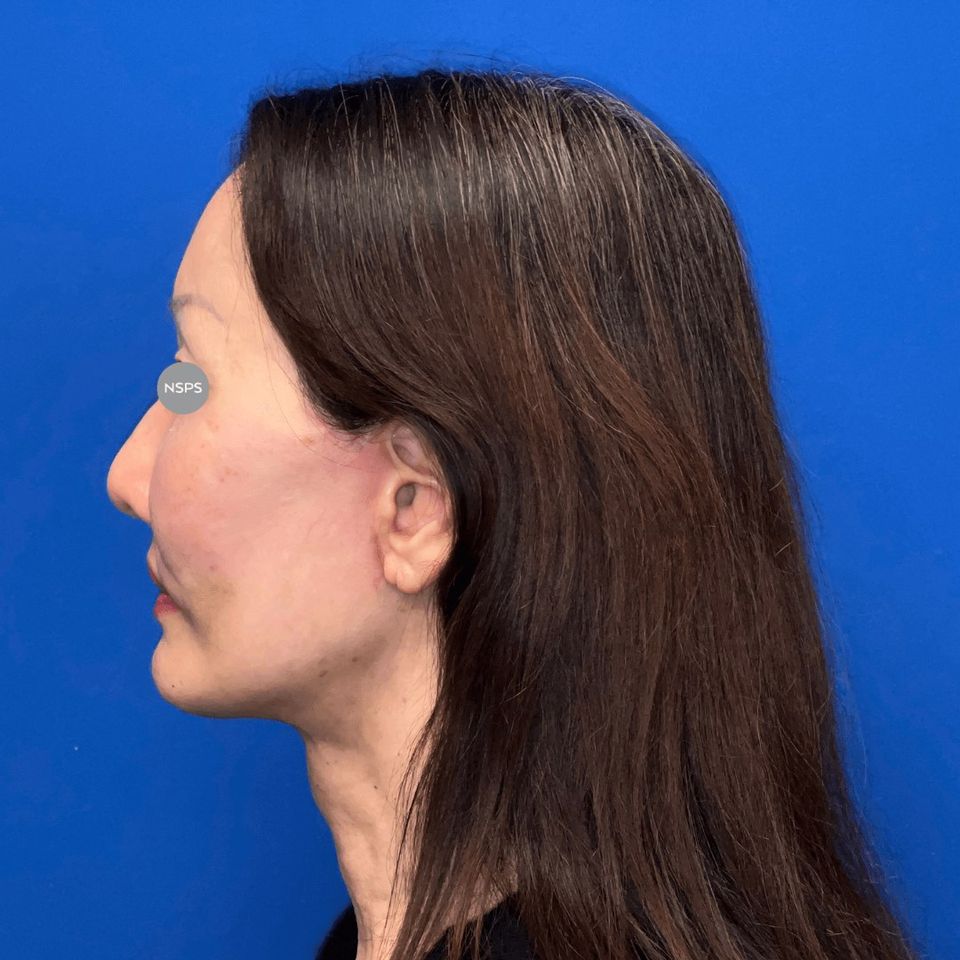
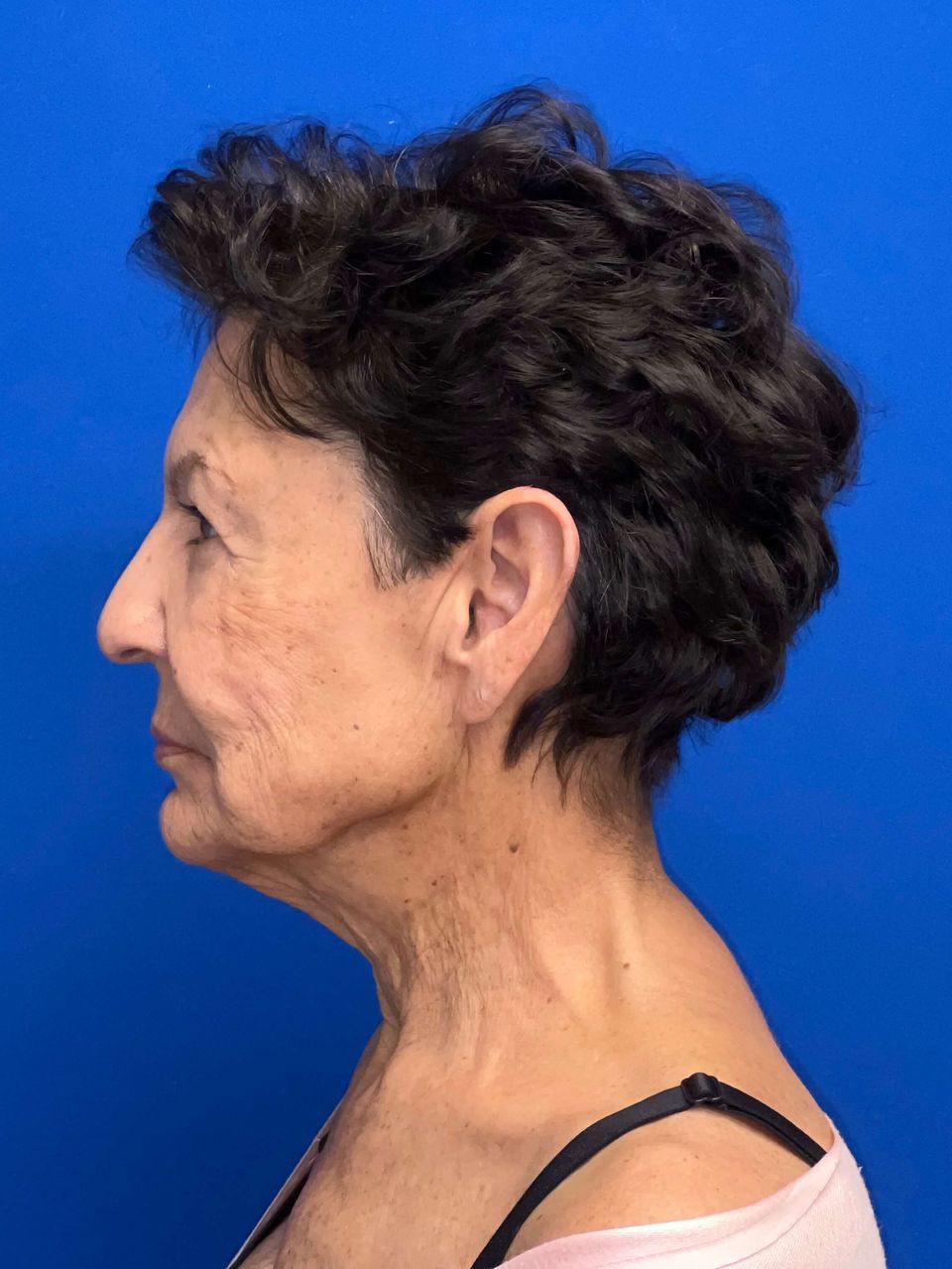
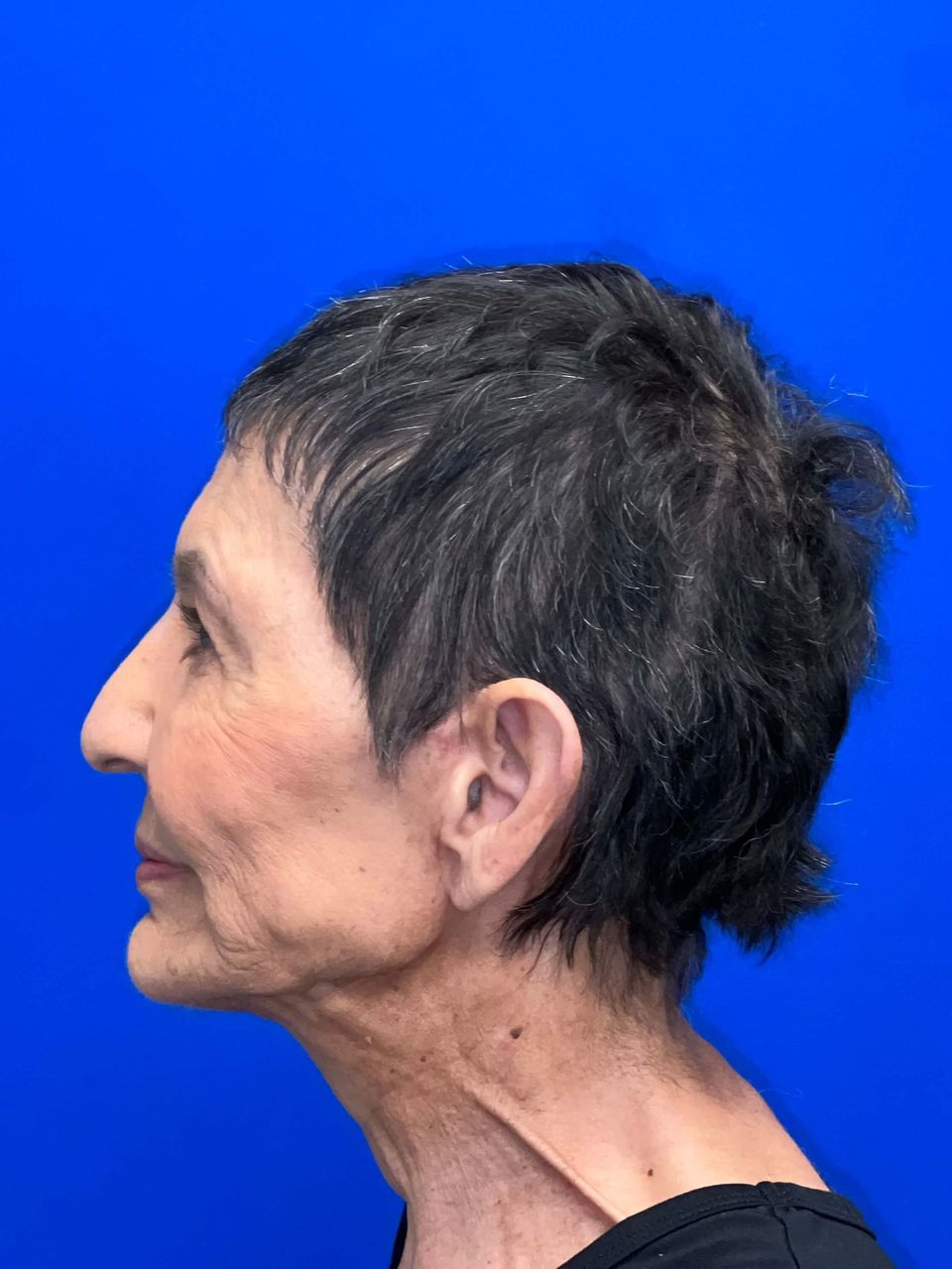
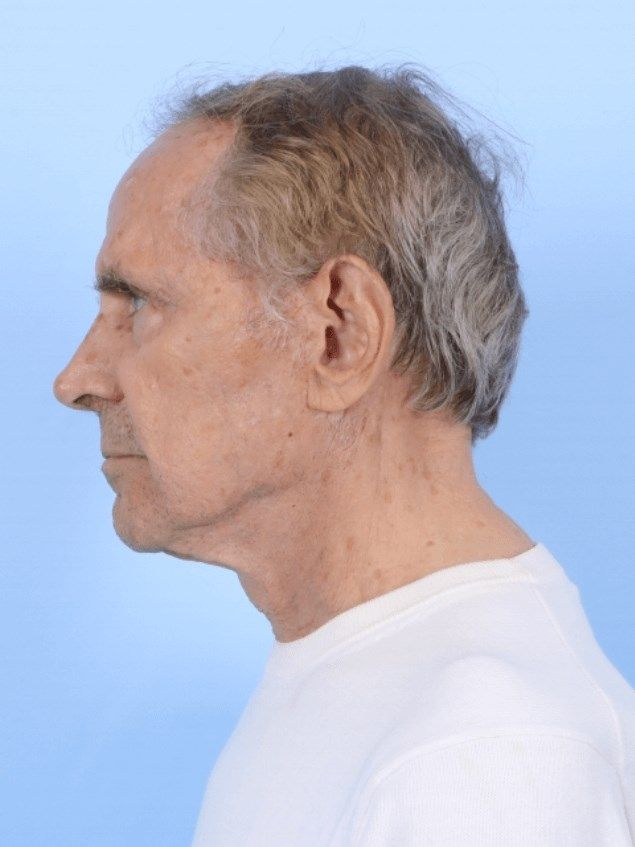
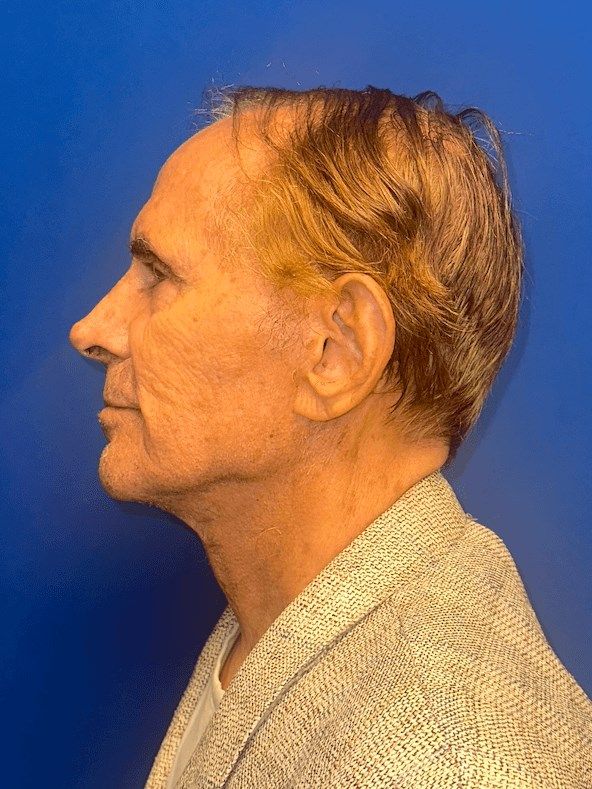
Facelift and Neck Lift Before & After Photos
View all cases →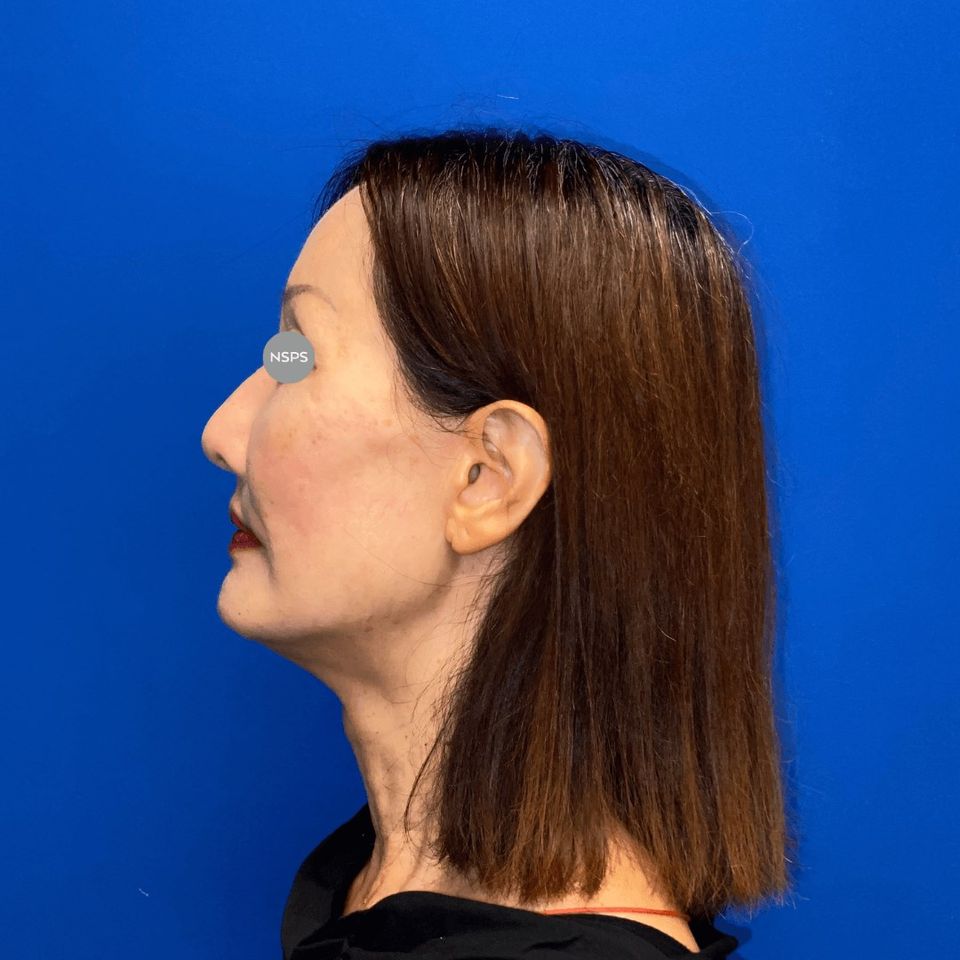
Video Education
Academic Authority
Published Research on Facelift and Neck Lift
Photographic Misrepresentation on Instagram After Facial Cosmetic Surgery: Is Increased Photography Bias Associated With Greater User Engagement?
Aesthetic Surgery Journal · 2021;41(11):NP1703–NP1712 (2021)
Senior-authored Aesthetic Surgery Journal investigation establishing objective standards for honest pre- and post-operative facial and jawline surgery photography.
Facelift and Neck Lift Frequently Asked Questions
Should I get a neck lift or liposuction?
Based on your needs and goals, you may want to get a neck lift with surgical liposuction. This may be best if you have both excessive skin and fat pockets in your neck. Our board-certified plastic surgeons will help you choose whether a neck lift, lipo, or both should be included in your surgical plan during your consultation.
Will I have visible scars?
A neck lift starts with an incision beneath the chin and two more near the ears. These are placed so they are very difficult for others to see. Our board-certified plastic surgeons try very hard during your surgery to avoid visible scarring. You will also be given scar management instructions, which will help your incisions heal thin and flat.
What about wrinkle fillers and relaxers over facelift surgery?
Injectable wrinkle fillers and relaxers have become more popular to refresh the face. Sometimes known as a liquid facelift, injectable wrinkle treatments can give early signs of aging; however, the results are temporary. A facelift can produce more dramatic improvements than injectables, with results that can last for a long time. Discuss whether surgical or non-surgical rejuvenation fits your anatomy during your consultation.
Will I look pulled or 'done' after a facelift?
A natural result comes from lifting the deeper tissues rather than pulling the skin tight. Your surgeon's goal is for you to look refreshed and rested, like a younger version of yourself.
Where are the facelift scars?
Incisions are hidden in natural creases around the ear and into the hairline, and sometimes under the chin for a neck lift. Once healed, they are usually hard to see.
What is the difference between a facelift and a neck lift?
A facelift focuses on the cheeks, jowls, and jawline, while a neck lift addresses loose skin, muscle bands, and fat in the neck. They are often performed together for a balanced result.
How long does a facelift last?
Many patients enjoy their results for a decade or longer. You will continue to age naturally, but from a more youthful starting point.
How much time off will I need?
Most patients take about two to three weeks off from work and social events while bruising and swelling settle.