

Breast reduction surgery removes excess breast tissue, fat, and skin to make large, heavy breasts smaller and lighter. It's for women whose breast size causes physical discomfort, such as neck, back, or shoulder pain, or limits everyday activities.
Beyond relief, a reduction also lifts and reshapes the breasts for a more balanced, youthful look. Many patients describe it as one of the most life-changing decisions they've made.
Your NSPS surgeon performs breast reduction for women throughout Chicago, combining physical relief with a natural-looking shape that fits your body.
Am I a good candidate for breast reduction?
You may be a good candidate if your breasts are large enough to affect your comfort, health, or lifestyle. Common reasons women seek a reduction include:
- Ongoing neck, back, or shoulder pain
- Deep grooves in your shoulders from bra straps
- Rashes or skin irritation under the breasts
- Difficulty exercising, running, or playing sports
- Trouble finding clothes and bras that fit
- Breasts that feel out of proportion with your frame
Good candidates are healthy, don't smoke, and are at a stable weight. Breast reduction can be done at almost any adult age, including after pregnancy or later in life.
Benefits of breast reduction
Breast reduction consistently ranks among the procedures with the highest patient satisfaction. The benefits are both physical and emotional.
- Relief from pain and pressure in the neck, back, and shoulders
- Easier, more comfortable exercise
- Fewer rashes and skin problems under the breasts
- More options for bras, swimsuits, and clothing
- A lifted, firmer breast shape with better proportions
Many patients say they wish they'd done it sooner.
Breast reduction vs. breast lift
Breast reduction and breast lift use similar incisions and both raise the nipple and reshape the breast. The main difference is how much tissue is removed.
- Breast reduction: Removes a significant amount of breast tissue, fat, and skin to make the breasts smaller and lighter while lifting them.
- Breast lift: Removes mainly excess skin and reshapes the breast without meaningfully changing its size.
If your main concern is sagging and you're happy with your size, a lift may be enough. If your breasts feel too large or heavy, a reduction is usually the better choice. Your NSPS surgeon will help you decide.
Breast reduction techniques
Your NSPS surgeon tailors the technique to your breast size, skin quality, and goals. The main approaches include:
- Vertical (lollipop) reduction: An incision around the areola and down to the breast fold. Works well for moderate reductions and gives a nicely projected shape.
- Anchor (inverted-T) reduction: Adds an incision along the breast fold. Best for larger reductions or significant sagging.
- Liposuction-assisted reduction: In select cases where the breast is mostly fatty tissue and skin is firm, liposuction can reduce size with minimal scarring.
In nearly every case, the nipple and areola stay attached to the underlying tissue, which helps preserve blood supply and sensation. The areola can also be made smaller during surgery.
Is breast reduction covered by insurance?
Many insurance plans cover breast reduction when it's medically necessary to relieve physical symptoms. Each plan has its own requirements, which may include documentation of symptoms, prior treatments like physical therapy, and a minimum amount of tissue removed.
Our team can help you understand the process and prepare the paperwork your insurer needs. If your plan doesn't cover the procedure, or you prefer a purely cosmetic reduction, we'll provide self-pay pricing.
Your consultation and preparing for surgery
During your consultation, your NSPS surgeon will talk with you about your symptoms, goals, and health history. He'll examine and measure your breasts, take photographs, and discuss what size and shape would suit your body.
If you plan to use insurance, our team will explain what documentation your plan may require, such as notes about pain, rashes, or past treatments.
Before surgery, you may need a mammogram depending on your age and history. You'll stop smoking and nicotine use, pause certain medications and supplements, and arrange for a ride home and help for the first few days.
What happens on the day of surgery?
Before surgery, your NSPS surgeon marks your breasts while you stand to plan the new shape and nipple position. You'll then receive general anesthesia.
The procedure usually takes two to four hours. Your NSPS surgeon removes excess tissue and skin, reshapes the breast, and repositions the nipple, then closes with dissolvable stitches. Most patients go home the same day in a supportive surgical bra.
What is breast reduction recovery like?
You can expect soreness, swelling, and tightness for the first several days. Many patients are surprised by how quickly they notice relief from the weight they used to carry.
Most women return to desk work in about one to two weeks. You'll wear a supportive bra for several weeks and avoid heavy lifting and strenuous exercise for about four to six weeks.
Swelling settles over a few months, and scars fade gradually over a year or more.
Caring for your scars
Breast reduction leaves scars, but they're placed where bras and swimsuits easily cover them. With time and care, most become pale, flat lines.
Your NSPS surgeon may recommend silicone gel or sheets and gentle massage once your incisions have healed. Keeping scars out of the sun for the first year helps prevent darkening.
Most patients find the scars a very small trade-off for the relief and freedom they gain.
How long do breast reduction results last?
Breast reduction results are long-lasting. The removed tissue doesn't grow back, though weight gain, pregnancy, hormones, and aging can change your breasts over time.
Keeping a stable weight helps you maintain your new size and shape.
Risks and safety
Breast reduction is a common, well-established procedure. As with any surgery, there are risks, including scarring, changes in nipple sensation, asymmetry, delayed wound healing, infection, and possible difficulty breastfeeding.
Your NSPS surgeon will talk through these risks with you and explain how his technique aims to protect blood supply and sensation.
Combining breast reduction with other procedures
Breast reduction can be combined with liposuction of the sides of the chest or underarm area for smoother contours. It's also commonly included in a mommy makeover alongside a tummy tuck.
Your NSPS surgeon will help you decide whether combining procedures makes sense for your health and goals. If insurance is involved, cosmetic add-ons are billed separately.
Breast reduction for teens and young adults
Large breasts can cause real pain and self-consciousness at a young age. Breast reduction can be appropriate for some teens and young adults, especially when symptoms are significant.
Ideally, breast growth should be stable before surgery, so your NSPS surgeon will look at your growth history and may suggest waiting. Younger patients should also understand that future pregnancy and breastfeeding can change the breasts. A parent or guardian is involved in the consultation for patients under 18.
How much does breast reduction cost in Chicago?
Cost depends on whether insurance is covering the procedure, the extent of surgery, anesthesia and facility fees, and any added procedures. For self-pay patients, you'll receive a personalized quote after your consultation.
Our team will help you understand your insurance benefits and any out-of-pocket costs before surgery.
Why choose your NSPS surgeon for your breast reduction?
Your NSPS surgeon is a board-certified plastic surgeon, Fellow of the American College of Surgeons, and holds an MD and PhD. He was educated at Harvard and trained at Northwestern, with deep experience in both reconstructive and cosmetic breast surgery.
He understands that breast reduction is about how you feel as much as how you look. His goal is lasting relief with a shape that looks natural on you. Schedule a consultation in Chicago to get started.
Breast Reduction Recovery Timeline
- Day 1–3Rest at home in a supportive bra. Soreness and tightness are managed with medication.
- Week 1First follow-up visit. Many patients notice immediate relief from the weight of their breasts.
- Weeks 1–2Most patients return to desk work and light activities.
- Weeks 4–6Gradual return to exercise, including upper-body workouts once cleared.
- Months 3–6Swelling resolves and breasts settle into their final shape.
- Month 12+Scars continue to fade and soften.
Individual healing timelines vary. Your NSPS surgical team provides tailored post-operative guidance.
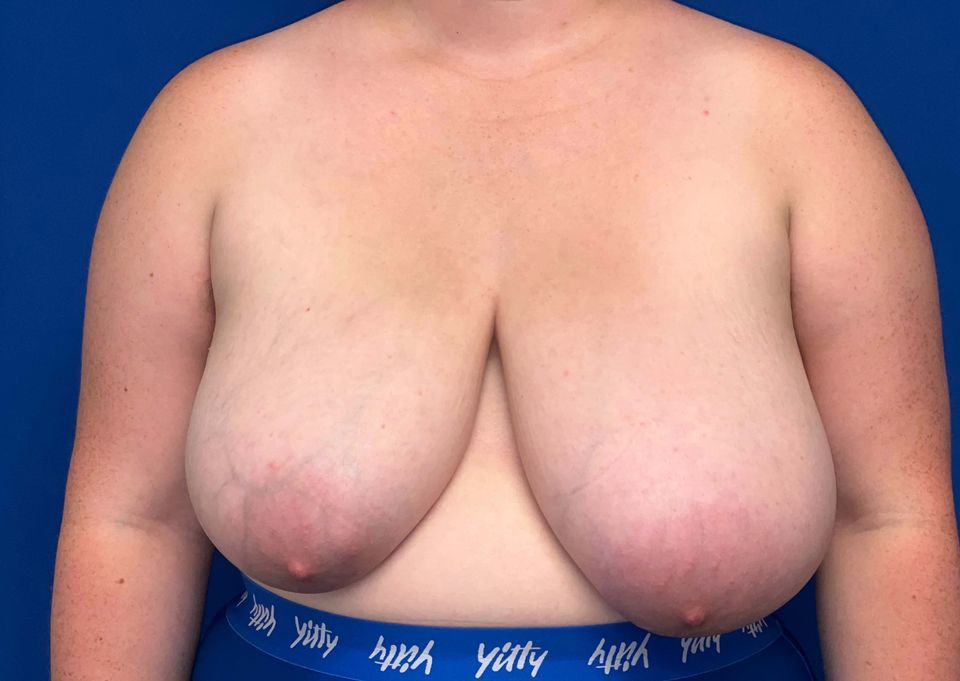
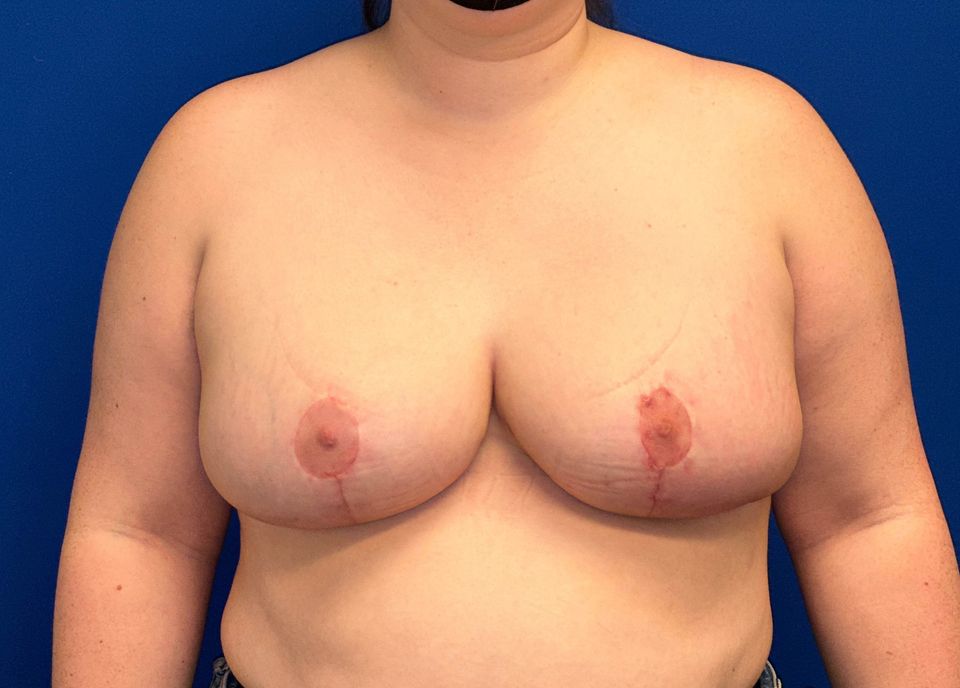
Breast Reduction Before & After Photos
View all cases →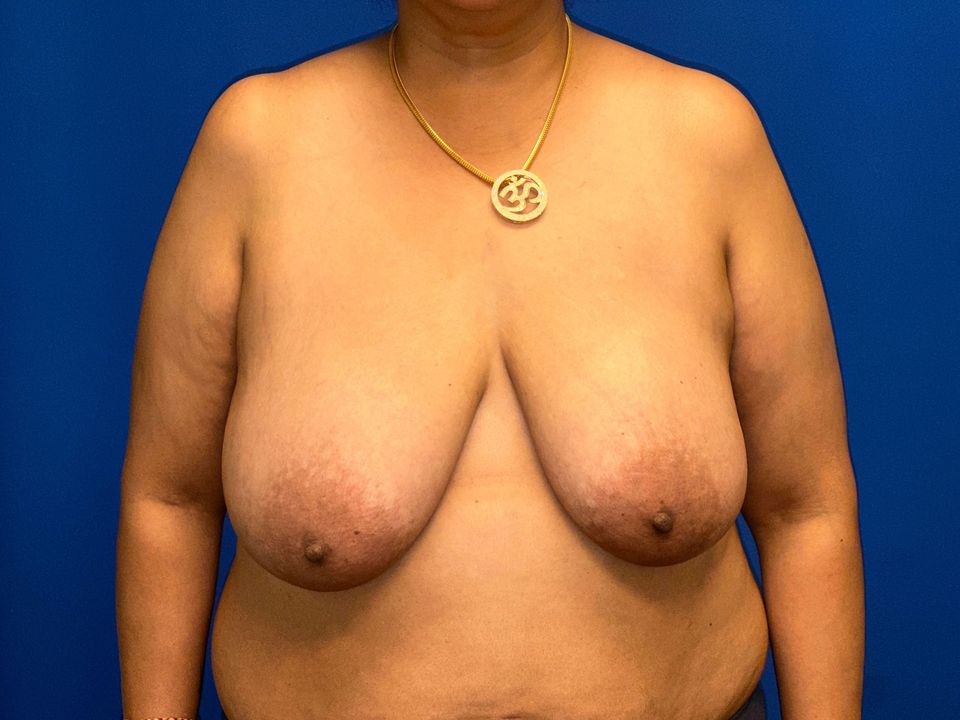
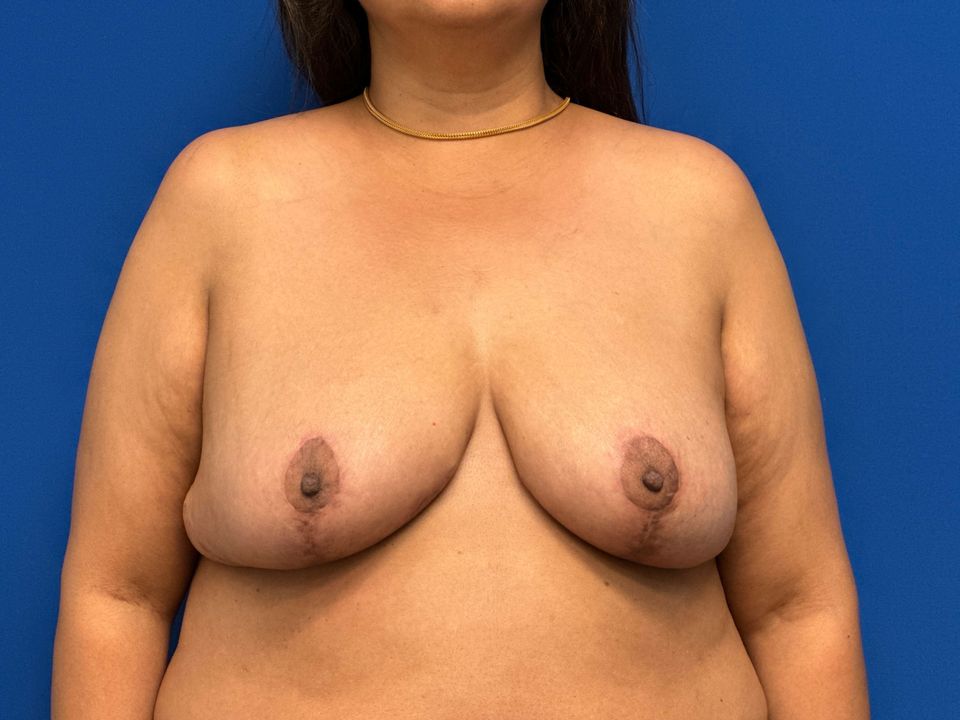
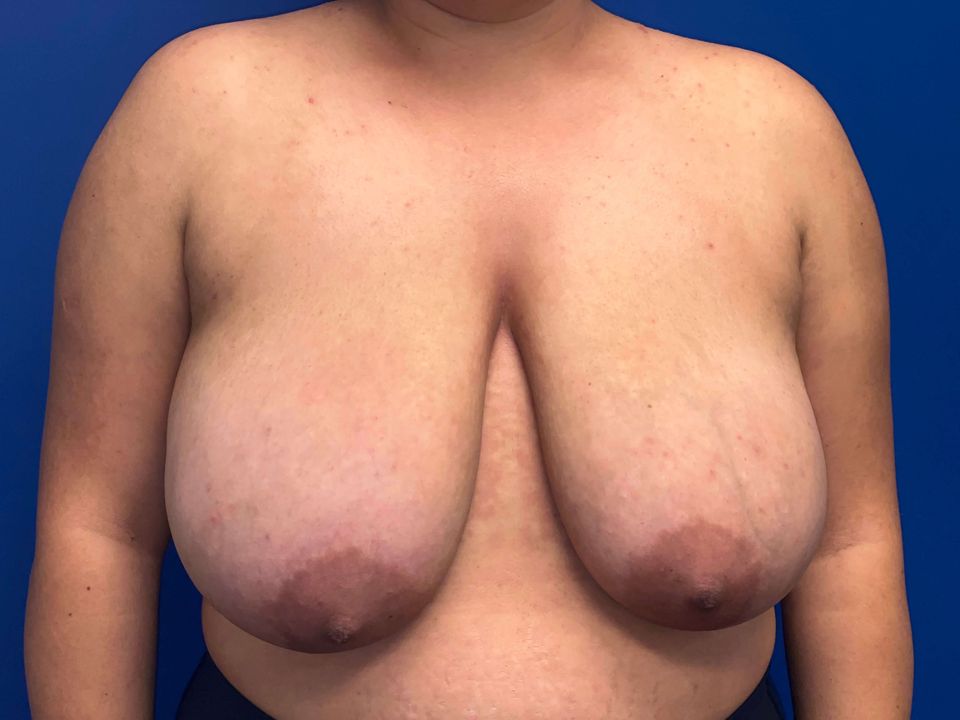
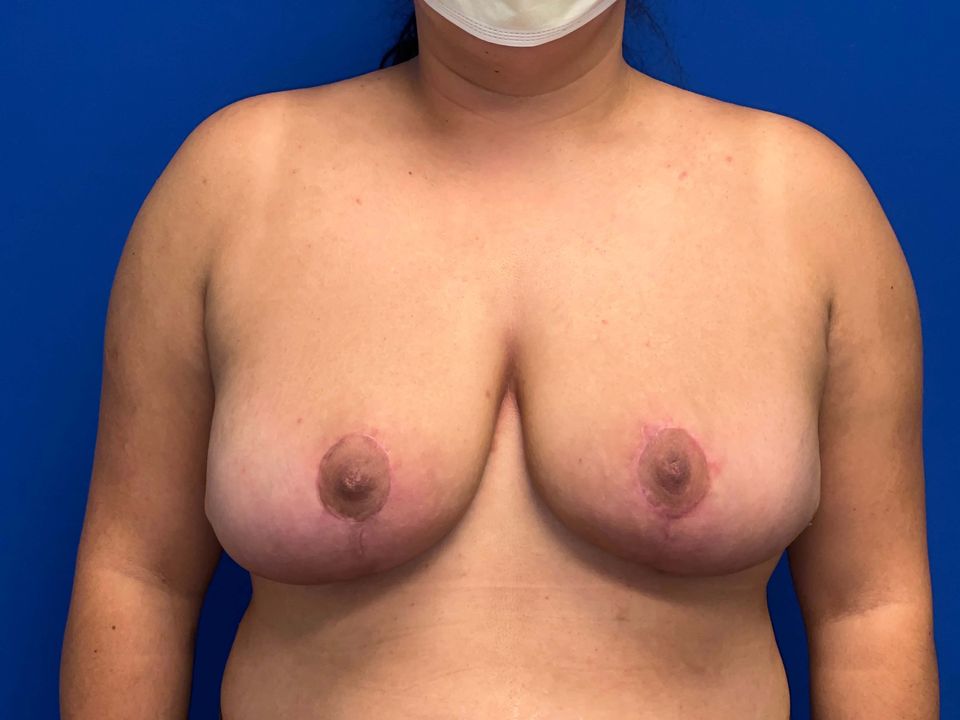
Video Education
Academic Authority
Published Research on Breast Reduction
Reduction Mammaplasty
Cosmetic Breast Surgery — Eds. Patel SA & Basu CB (Thieme Medical Publishers) (2020)
Comprehensive textbook chapter by Dr. Schierle on modern breast reduction pedicle selection, shaping lasting upper-pole fullness, minimizing scar burden, and preserving nipple sensation.
Breast Reduction Frequently Asked Questions
Is breast reduction surgery safe?
Yes, breast reduction surgery is generally considered safe when performed by an experienced and board-certified plastic surgeon. At Northwestern Specialists in Plastic Surgery, we prioritize patient safety and use advanced techniques to minimize complications. During your consultation, we can evaluate your health and discuss any potential risks.
How should I prepare for breast reduction surgery?
Preparing for surgery involves following specific pre-operative instructions provided by our staff. This typically includes avoiding certain medications or supplements, arranging for transportation, and stopping smoking if applicable. We will guide you through every step to ensure you’re fully prepared for a safe and smooth procedure.
Will breast reduction surgery provide natural-looking results?
Yes, the goal of breast reduction surgery is to create a proportionate and natural appearance. Our team in Chicago, IL, customizes each procedure to ensure the breasts are balanced with your body shape. We'll also consider factors like nipple positioning and symmetry to enhance the overall aesthetic.
Will insurance pay for my breast reduction?
Many plans cover breast reduction when it is medically necessary to relieve symptoms like back or neck pain. Requirements vary, and our team can help you navigate documentation and pre-authorization.
How small will my breasts be after reduction?
You and your NSPS surgeon will decide on a target size together. He will recommend a size that relieves your symptoms and looks proportional to your body.
Will I have scars after breast reduction?
Yes. Scars typically go around the areola and down to the breast fold, sometimes along the fold as well. They are hidden by bras and swimsuits and usually fade over time.
Can I breastfeed after a breast reduction?
Many women can breastfeed after a reduction, though some may produce less milk. It can't be guaranteed, so let your NSPS surgeon know if breastfeeding is important to you.
Will I lose nipple sensation?
Most women keep nipple sensation, though temporary numbness is common and some changes may be permanent. Keeping the nipple attached to underlying tissue helps preserve sensation.