

Facial fat grafting, also called fat transfer, uses a small amount of your own fat to restore volume in areas of the face that have become hollow or flat. It's for people who look tired, gaunt, or older because of volume loss in the cheeks, temples, under the eyes, or around the mouth.
As we age, the face loses fat and bone support, not just skin elasticity. That's why lifting alone doesn't always restore a youthful look. Replacing lost volume can soften shadows and bring back the gentle curves of a younger face.
Your NSPS surgeon offers facial fat grafting for patients across Chicago, either on its own or alongside a facelift, brow lift, or eyelid surgery. Because the fat comes from your own body, it looks and feels natural, and much of it can last for years.
Am I a good candidate for facial fat grafting?
You may be a good candidate if you're in good health, don't smoke, and have enough donor fat in an area like the abdomen, flanks, or thighs. Common concerns that fat grafting can address include:
- Flat or hollow cheeks
- Sunken temples
- Hollows or dark shadows under the eyes
- Deep lines from the nose to the mouth
- Thinning lips or volume loss around the mouth
- A gaunt look after weight loss or with aging
- Facial asymmetry or contour irregularities
Fat grafting restores volume, but it doesn't tighten loose skin. If you have significant sagging, your NSPS surgeon may suggest pairing fat grafting with a facelift or neck lift for a more complete result.
How facial fat grafting works
Fat grafting is a three-step process designed to move healthy fat cells gently from one area to another.
- Harvesting: Through tiny incisions, a small amount of fat is removed with gentle liposuction from an area where you have extra, such as your abdomen or thighs.
- Processing: The fat is purified to separate healthy fat cells from fluid and oil.
- Placement: Using very small cannulas, the fat is injected in tiny amounts and multiple layers. Spreading it in small threads helps each bit of fat connect with a blood supply so it can survive.
This careful, layered technique is what helps fat grafting look smooth and natural. Placing too much fat at once in one spot can lead to lumps or poor survival, so your NSPS surgeon works patiently and precisely.
Fat grafting vs. dermal fillers
Fat and fillers can both restore volume, but they differ in important ways.
- Source: Fat is your own tissue, so there's no risk of an allergic reaction to it. Fillers are manufactured products.
- Longevity: Fillers typically last several months to a couple of years. Fat that survives the transfer can last for many years.
- Feel: Fat tends to feel soft and natural, especially in larger areas like the cheeks and temples.
- Downtime: Fillers involve little downtime. Fat grafting requires a short recovery for both the face and donor area.
- Predictability: Not all transferred fat survives, so some patients benefit from a second, smaller session.
Fillers can be a great choice for small, targeted touch-ups. Fat grafting is often better for broader volume loss or for patients who want a longer-lasting solution.
How do I prepare for facial fat grafting?
Your care team will review a full checklist with you. In general:
- Stop smoking and nicotine products several weeks before and after, since nicotine reduces graft survival
- Avoid aspirin, certain anti-inflammatory medications, and supplements that increase bleeding, as directed
- Maintain a stable weight, since fat cells may change size if your weight changes significantly
- Arrange about one to two weeks away from social plans
- Plan for a trusted adult to drive you home
What happens on the day of surgery?
Facial fat grafting is an outpatient procedure. When done on its own, it may be performed with local anesthesia and sedation. When combined with a facelift or other surgery, it's typically done under general anesthesia.
The procedure usually takes about one to two hours. Tiny incisions in the donor area and face are closed with small sutures or left to heal on their own. Most patients go home the same day.
What is recovery like after fat grafting?
Swelling is the main part of fat grafting recovery. Your face may look fuller than your final result for the first week or two because some extra fat is placed to allow for expected loss and because of normal swelling.
Bruising is common and usually fades within one to two weeks. The donor area may feel sore and bruised, like after liposuction, and you may wear a compression garment there for a short time.
It's important not to press, massage, or put pressure on treated areas while the new fat establishes a blood supply. Most patients return to work and social activities in about one to two weeks.
How long do fat grafting results last?
Some transferred fat is naturally reabsorbed in the first few months. The fat that survives after about three to six months is generally considered long-lasting and ages with you, just like the rest of your facial fat.
Because survival varies from person to person, some patients choose a second, smaller session to fine-tune the result. Keeping a stable weight helps your results stay consistent.
Risks and safety
Facial fat grafting is generally well tolerated, but every procedure has risks. These can include swelling, bruising, lumps or irregularities, uneven absorption, overcorrection or undercorrection, infection, and rare but serious risks related to fat entering a blood vessel.
Using small cannulas, gentle technique, and a deep understanding of facial anatomy helps reduce these risks. Your NSPS surgeon will review your health history and explain how he approaches safety.
Combining fat grafting with other procedures
Fat grafting pairs naturally with many facial procedures:
- Facelift and neck lift: Lifting repositions tissue while fat restores lost volume for a balanced, natural result
- Eyelid surgery: Fat can soften hollows under the eyes or at the upper lid
- Brow lift: Adding volume to the temples and brow can complement the lift
- Chin augmentation: Fat can add subtle chin projection as an alternative to an implant
Your NSPS surgeon will recommend a plan that looks at your whole face rather than one area alone.
Caring for your results
After the first few weeks, there's little special care needed. Protect your skin from the sun, avoid smoking, and try to keep your weight stable, since grafted fat can grow or shrink with weight changes like fat elsewhere in your body.
Your NSPS surgeon will see you for follow-up visits to track how your grafts are settling and to talk through whether any fine-tuning would be helpful.
How much does facial fat grafting cost in Chicago?
Cost depends on the number of areas treated, the amount of fat needed, the type of anesthesia, and whether fat grafting is combined with other procedures. You'll receive a personalized quote after your consultation.
Why choose your NSPS surgeon for facial fat grafting?
Your NSPS surgeon is a board-certified plastic surgeon and Fellow of the American College of Surgeons, with an MD and PhD. He was educated at Harvard and trained at Northwestern.
He views facial rejuvenation as a balance of lifting and volume, and uses fat grafting thoughtfully to restore softness without overfilling. Schedule a consultation at our Streeterville and River North clinics in Chicago to learn whether fat grafting is right for you.
Facial Fat Grafting Recovery Timeline
- Days 1–3Swelling and bruising peak. Rest with your head elevated and avoid pressure on treated areas.
- Days 5–7Bruising begins to fade. Any small sutures are removed. Donor area soreness improves.
- Weeks 1–2Most patients return to work and social activities. Your face may still look slightly overfilled.
- Weeks 3–4Exercise typically resumes once cleared. Swelling continues to settle.
- Months 1–3Some fat is reabsorbed as the surviving grafts settle in.
- Months 3–6Final volume is visible, and surviving fat is considered long-lasting.
Individual healing timelines vary. Your NSPS surgical team provides tailored post-operative guidance.
Facial Fat Grafting Before & After Photos
View all cases →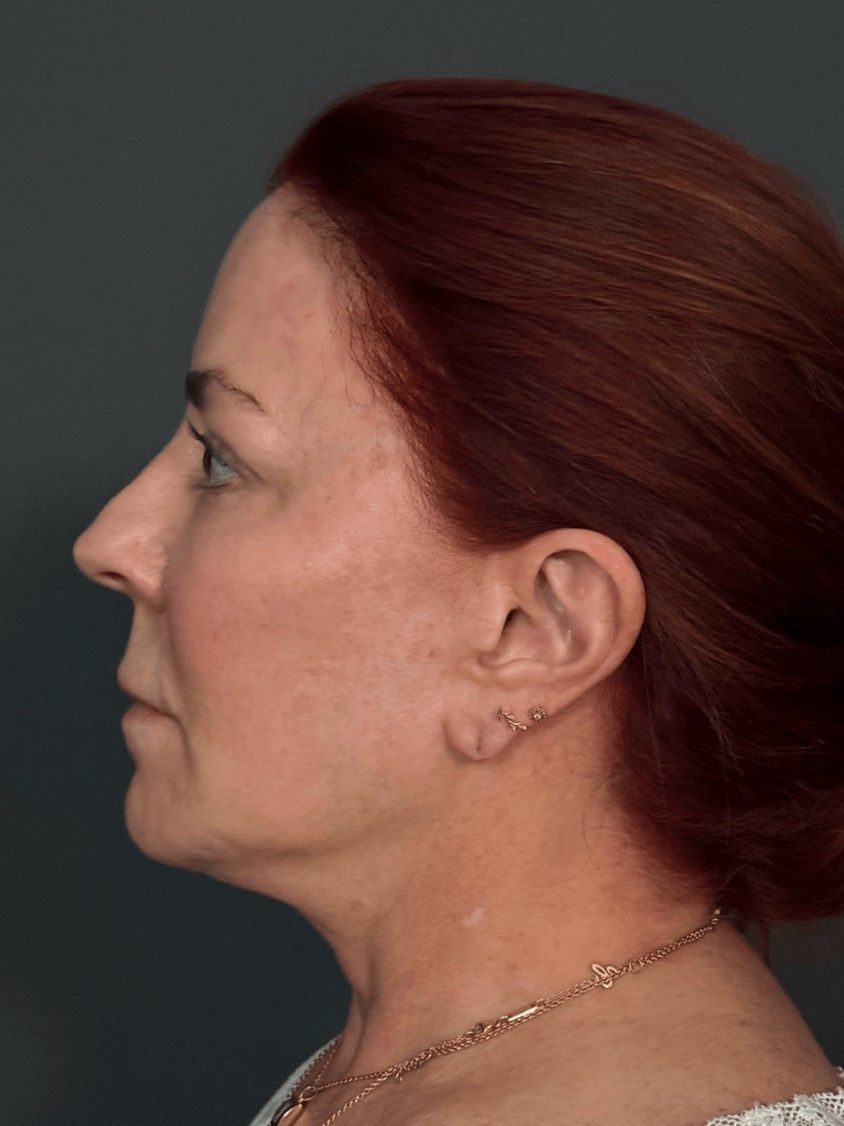
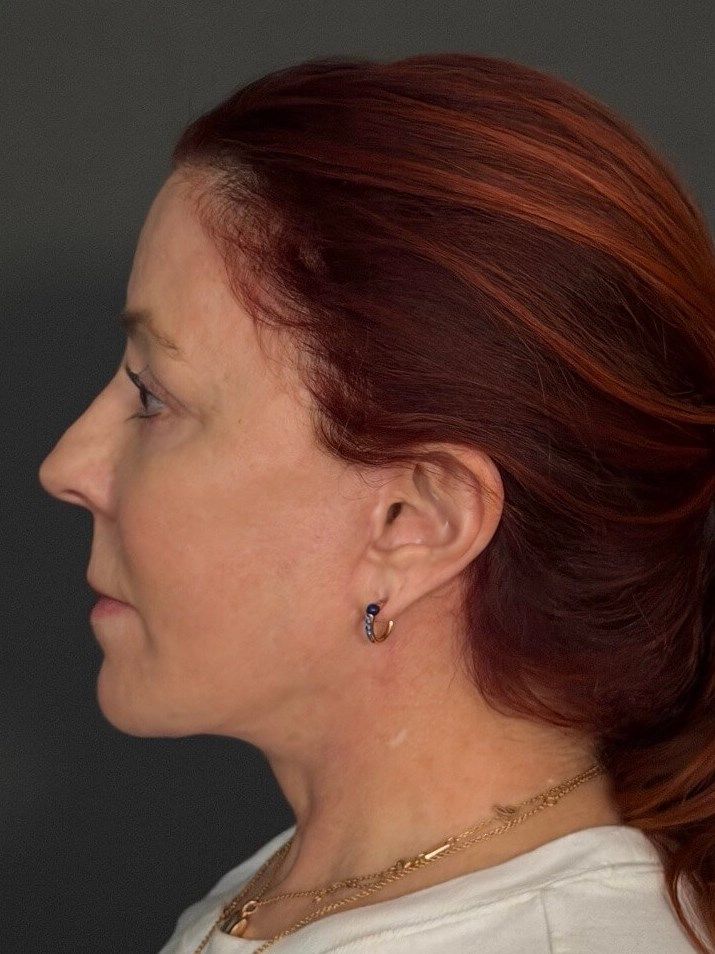
Video Education
Facial Fat Grafting Frequently Asked Questions
How much of the transferred fat will survive long term after facial fat grafting?
With proper care, the majortiy of fat cells - up to about about 50–70% of the transferred fat in a facial fat grafting procedure - survives long term, while the rest is naturally absorbed by your body within the first few months. For this reason, it is often necessary to add a little extra fat to the treated areas to account for this expected loss and achieve your desired final volume once healing is complete.
Will gaining or losing weight after facial fat grafting affect my results?
Because the transferred fat cells integrate into your facial tissues like any other fat in your body, significant weight changes can affect your results. Gaining weight may cause the grafted areas to become fuller, while losing weight can reduce volume, so maintaining a stable weight helps preserve your outcome long term.
How soon will I see the final results after facial fat grafting?
You’ll notice immediate fullness after your procedure, but some of this is due to swelling and the extra fat placed to account for natural absorption. Swelling improves within a few weeks, but final results of facial fat transfer procedures are usually seen around three to six months once the surviving fat has fully settled and integrated with your facial tissues.
Is facial fat grafting permanent?
Fat that survives the first few months is considered long-lasting and ages naturally with you. Some fat is reabsorbed early, so a second, smaller session is sometimes helpful.
Where does the fat come from?
Fat is usually taken from an area with extra fat, such as the abdomen, flanks, or thighs, using gentle liposuction through tiny incisions.
Is fat grafting better than filler?
Neither is better for everyone. Fillers are quick and adjustable for small areas. Fat grafting is often preferred for broader volume loss and longer-lasting results.
Will my face look overfilled?
Your face may look fuller for the first couple of weeks due to swelling and expected fat loss. It settles into a softer, more natural look over the following months.
Can fat grafting help under-eye hollows?
Yes, in carefully selected patients. The under-eye area requires very small amounts of fat placed precisely, and your NSPS surgeon will tell you if you're a good candidate.