
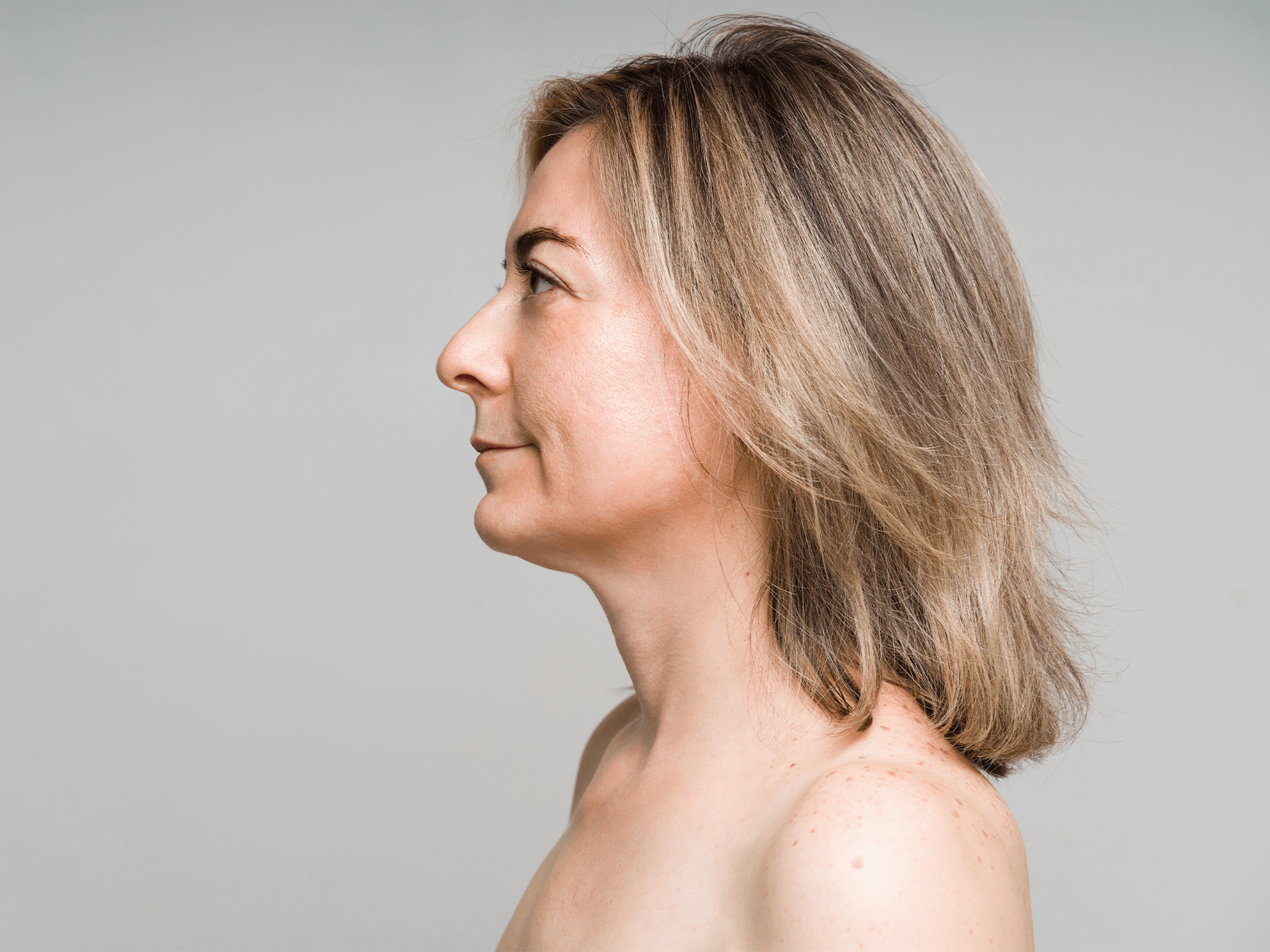
Rhinoplasty, often called a nose job, is surgery that reshapes the nose to bring it into better balance with your face. It can also improve breathing when a deviated septum or other structural issue blocks your airway.
Your NSPS surgeon approaches every rhinoplasty with one goal: a nose that looks like it was always yours. He preserves your ethnic and family features while refining what bothers you, whether that's a bump, a droopy tip, or a nose that's crooked after an injury.
At his Chicago practice, your NSPS surgeon uses 3D imaging so you can preview potential changes and share a clear vision before surgery.
Am I a good candidate for rhinoplasty?
Rhinoplasty can help if you're unhappy with the size, shape, or symmetry of your nose, or if you have trouble breathing through it. Common concerns include:
- A bump or hump on the bridge
- A tip that is bulbous, droopy, or upturned
- A nose that looks too large or wide for your face
- Wide or uneven nostrils
- A crooked nose, often after an injury
- Breathing problems from a deviated septum
Good candidates are in good health, don't smoke, and have realistic goals. Teens may be candidates once their nose has finished growing, typically in the mid-to-late teen years.
Planning your nose with 3D imaging
Communicating what you want from your nose can be hard. Your NSPS surgeon uses 3D imaging during consultation to create a three-dimensional model of your face.
Together, you can explore potential changes, such as smoothing a hump or refining the tip, and see how each one affects your profile and overall facial balance. This helps make sure you and your NSPS surgeon share the same vision.
Imaging is a planning and communication tool, not a promise of an exact result. Your healing, skin thickness, and anatomy all influence your final outcome.
Preserving your identity: ethnic rhinoplasty
Your nose is part of your heritage and your identity. A good rhinoplasty refines your nose while keeping it in harmony with your ethnic and family features.
Your NSPS surgeon doesn't use a single template for every patient. Instead, he looks at your whole face, including your skin thickness, cheekbones, lips, and chin, to plan changes that look natural for you.
Whether you'd like a softer bridge, a more defined tip, or narrower nostrils, the goal is improvement that people notice as overall balance, not a nose that looks borrowed from someone else.
Cosmetic vs. functional rhinoplasty
Many patients want both a better-looking nose and easier breathing. Rhinoplasty can address both in the same operation.
- Cosmetic rhinoplasty: Changes the appearance of the nose, such as its size, profile, tip, or nostrils.
- Functional rhinoplasty: Improves airflow by correcting structures inside the nose.
- Septoplasty: Straightens a deviated septum, the wall that divides the two sides of your nose.
- Turbinate reduction: Shrinks enlarged tissue inside the nose that can block airflow.
When a procedure is done to correct a documented breathing problem, part of it may be covered by insurance. Cosmetic changes are not covered.
Rhinoplasty techniques: open vs. closed
Your NSPS surgeon selects the approach that best fits your anatomy and goals.
- Open rhinoplasty: A small incision across the columella, the strip of skin between your nostrils, lets the surgeon lift the skin and see the structure clearly. It's useful for tip work and more complex changes. The scar typically heals to be very hard to see.
- Closed rhinoplasty: All incisions are inside the nose, so there's no visible scar. It can be a good option for more limited changes.
- Cartilage grafting: Small pieces of cartilage, usually from the septum, can support or reshape the nose and help keep the airway open.
Your NSPS surgeon aims to preserve and strengthen the nose's natural support so your result stays stable and breathes well over time.
How do I prepare for rhinoplasty?
Preparation helps your surgery and recovery go smoothly. Your NSPS surgeon and his team will review a full checklist with you.
- Stop smoking and nicotine use several weeks before and after surgery
- Avoid aspirin, certain anti-inflammatory medications, and supplements that increase bleeding, as directed
- Arrange time off work or school, ideally about one to two weeks
- Plan for someone to drive you home and stay with you the first night
- Set up a recovery area with extra pillows to keep your head elevated
Bring photos of noses you like to your consultation if they help explain your goals, but keep in mind that the best result will be the one that fits your own face.
What happens on the day of surgery?
Rhinoplasty is performed under general anesthesia, and most patients go home the same day. Surgery usually takes two to four hours depending on what's being changed.
When you wake up, you'll have a small splint on the outside of your nose to protect the new shape. Some patients have soft internal splints as well. A trusted adult will need to drive you home and stay with you the first night.
What is rhinoplasty recovery like?
For the first few days, you'll rest with your head elevated and use cold compresses to reduce swelling. Expect congestion, similar to a bad cold, along with some bruising around the eyes.
Your splint usually comes off at about one week. Most bruising fades within 10 to 14 days, and many patients return to work or school around then.
Swelling is the slowest part of rhinoplasty recovery. Most of it resolves in the first few months, but subtle swelling, especially in the tip, can take up to a year to fully settle. You'll avoid contact sports and wearing glasses on the bridge of your nose for several weeks.
Results and longevity
Rhinoplasty results are considered permanent. Your nose will continue to age naturally along with the rest of your face, but its new shape will remain.
Be patient as swelling fades. Your nose will look better at three months, and better still at one year, as the final refinement emerges.
Risks and safety
Rhinoplasty is a precise and delicate procedure. Possible risks include bleeding, infection, prolonged swelling, breathing difficulty, numbness, asymmetry, and the possibility that a revision may be desired.
Choosing a surgeon with deep experience in nasal anatomy helps reduce these risks. Your NSPS surgeon will review your health and goals carefully before surgery.
Revision rhinoplasty
Some patients come to your NSPS surgeon after a previous nose surgery that didn't turn out as planned. Revision rhinoplasty can address problems such as a collapsed or pinched tip, an over-reduced bridge, asymmetry, or breathing difficulty.
Revision surgery is often more complex because of scar tissue and changes to the nose's support. Cartilage grafts, sometimes from the ear or rib, may be needed to rebuild structure.
Most surgeons recommend waiting about a year after your last surgery so swelling has fully settled. Your NSPS surgeon will examine your nose and explain what a revision can realistically achieve.
How much does rhinoplasty cost in Chicago?
Rhinoplasty cost depends on the complexity of the surgery, whether it's a first-time or revision procedure, whether functional work is included, and anesthesia and facility fees. You'll receive a personalized quote at your consultation.
If part of your surgery addresses a documented breathing problem, our team can help you understand potential insurance coverage for that portion.
Why choose your NSPS surgeon for rhinoplasty?
Your NSPS surgeon is a board-certified plastic surgeon, Fellow of the American College of Surgeons, and holds an MD and PhD. He was educated at Harvard and trained at Northwestern.
He combines a careful understanding of nasal structure with an eye for facial harmony. His philosophy is to refine, not erase, the features that make you who you are. Schedule a consultation in Chicago to explore your options with 3D imaging.
Rhinoplasty Recovery Timeline
- Day 1–3Rest with your head elevated. Use cold compresses. Congestion and bruising are expected.
- Week 1Splint and any stitches are removed at your follow-up visit. You'll see an early version of your new nose.
- Weeks 1–2Most bruising fades. Many patients return to work or school.
- Weeks 3–6Light exercise resumes. Avoid contact sports and resting glasses on your nose.
- Months 3–6Most swelling has resolved and your nose looks more refined.
- Month 12Final shape emerges as residual tip swelling settles.
Individual healing timelines vary. Your NSPS surgical team provides tailored post-operative guidance.
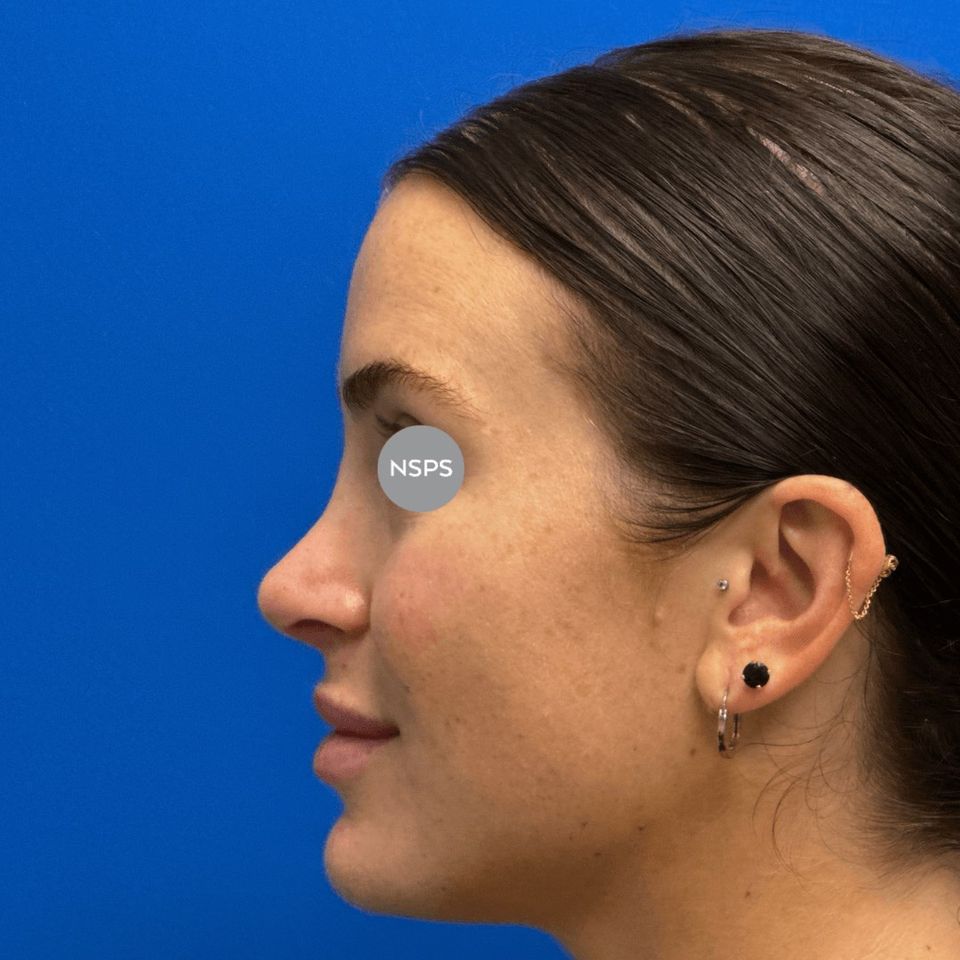
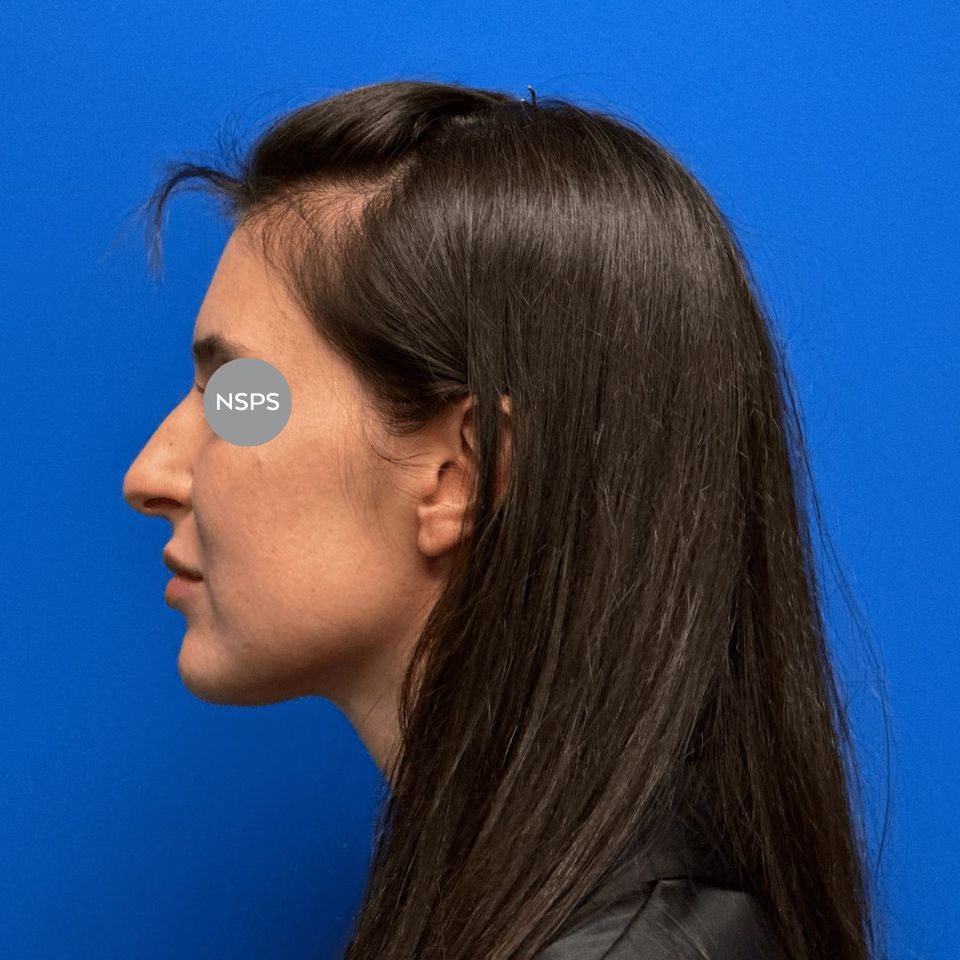
Rhinoplasty Before & After Photos
View all cases →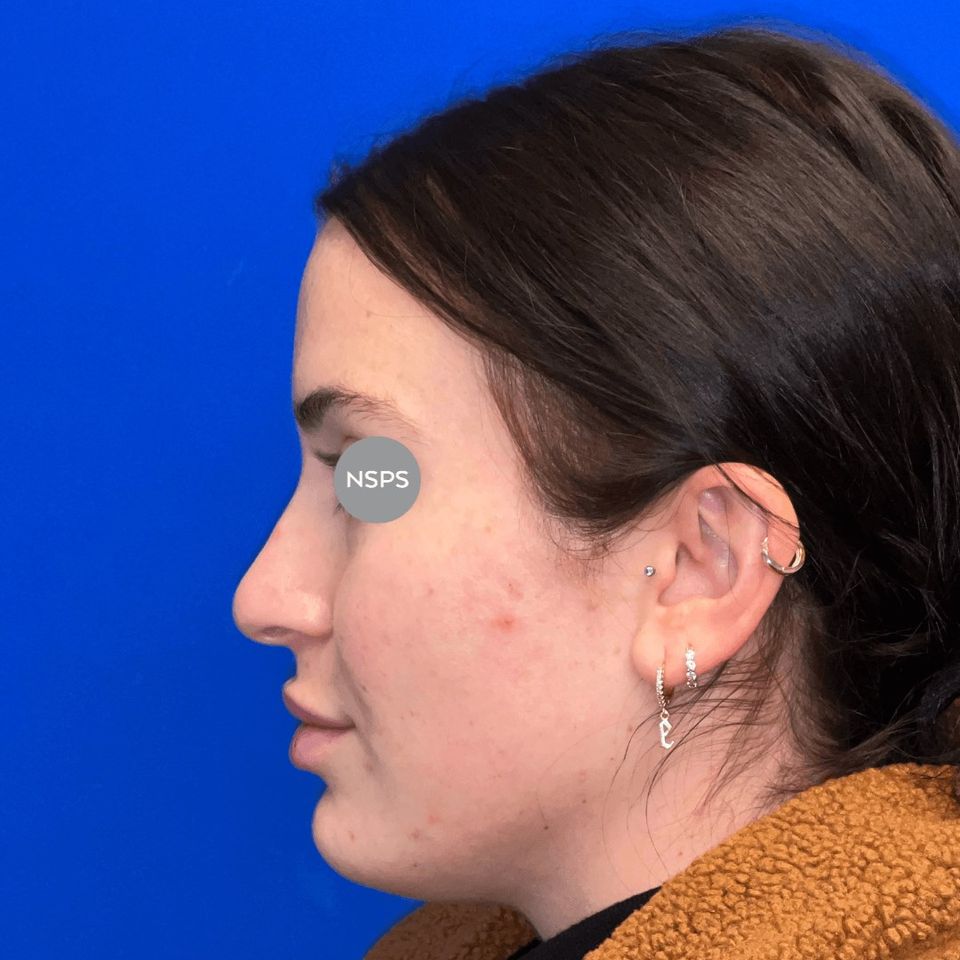
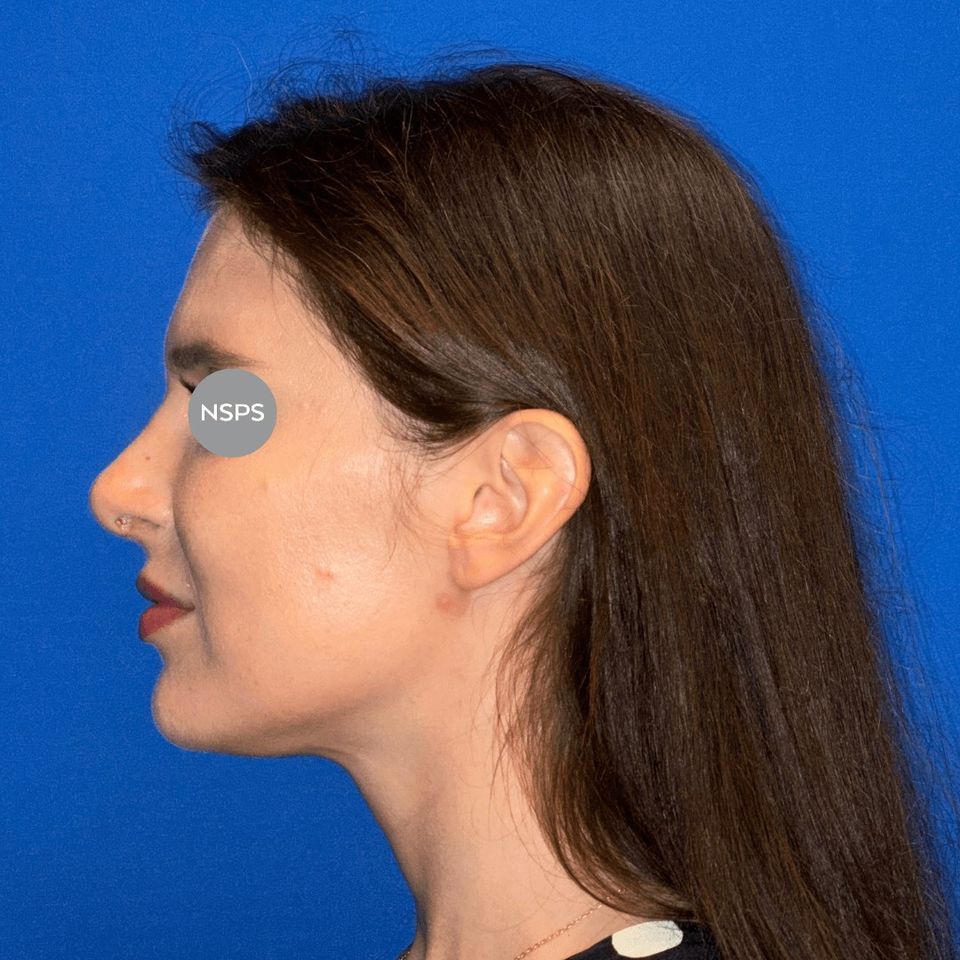
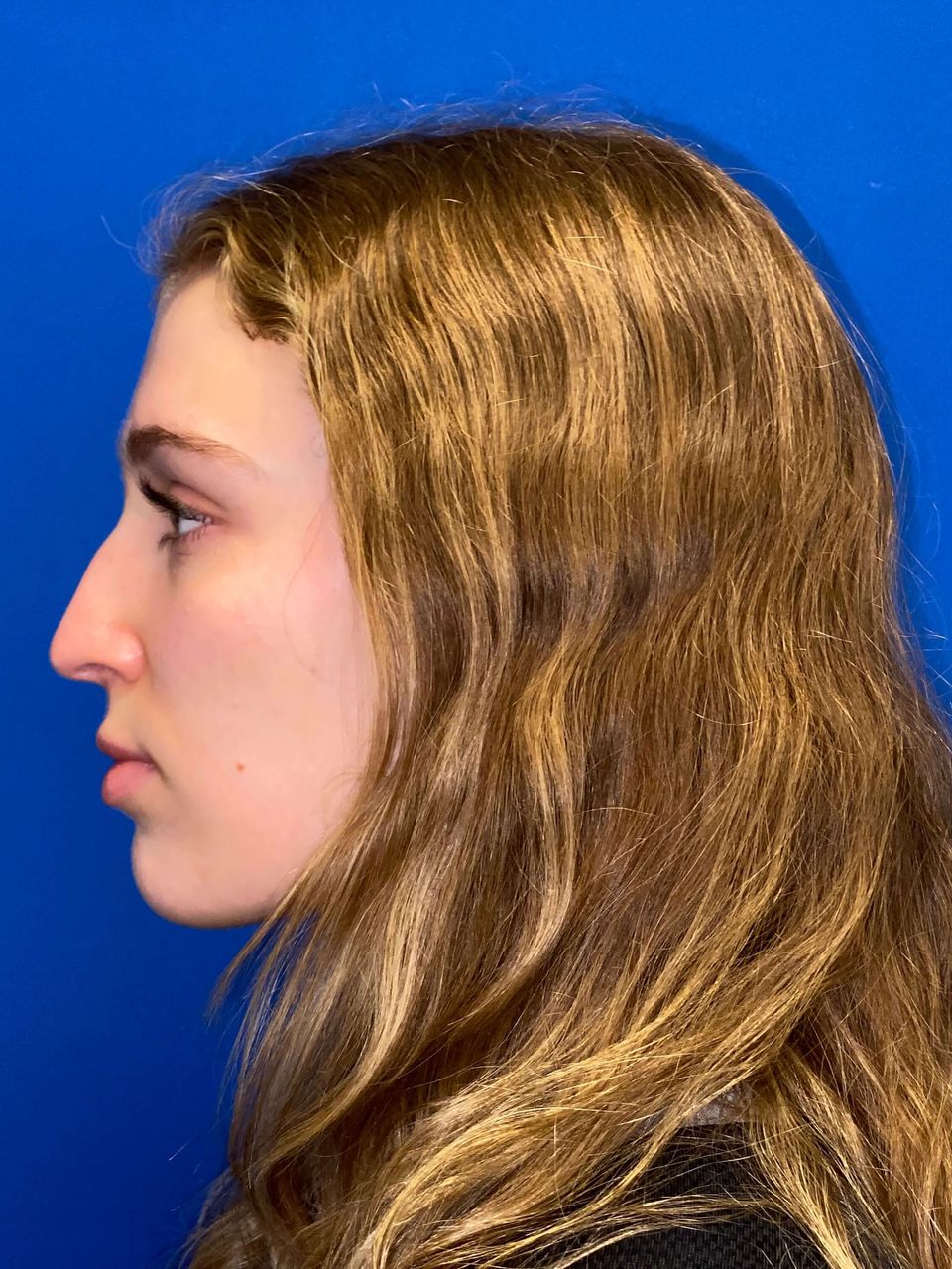
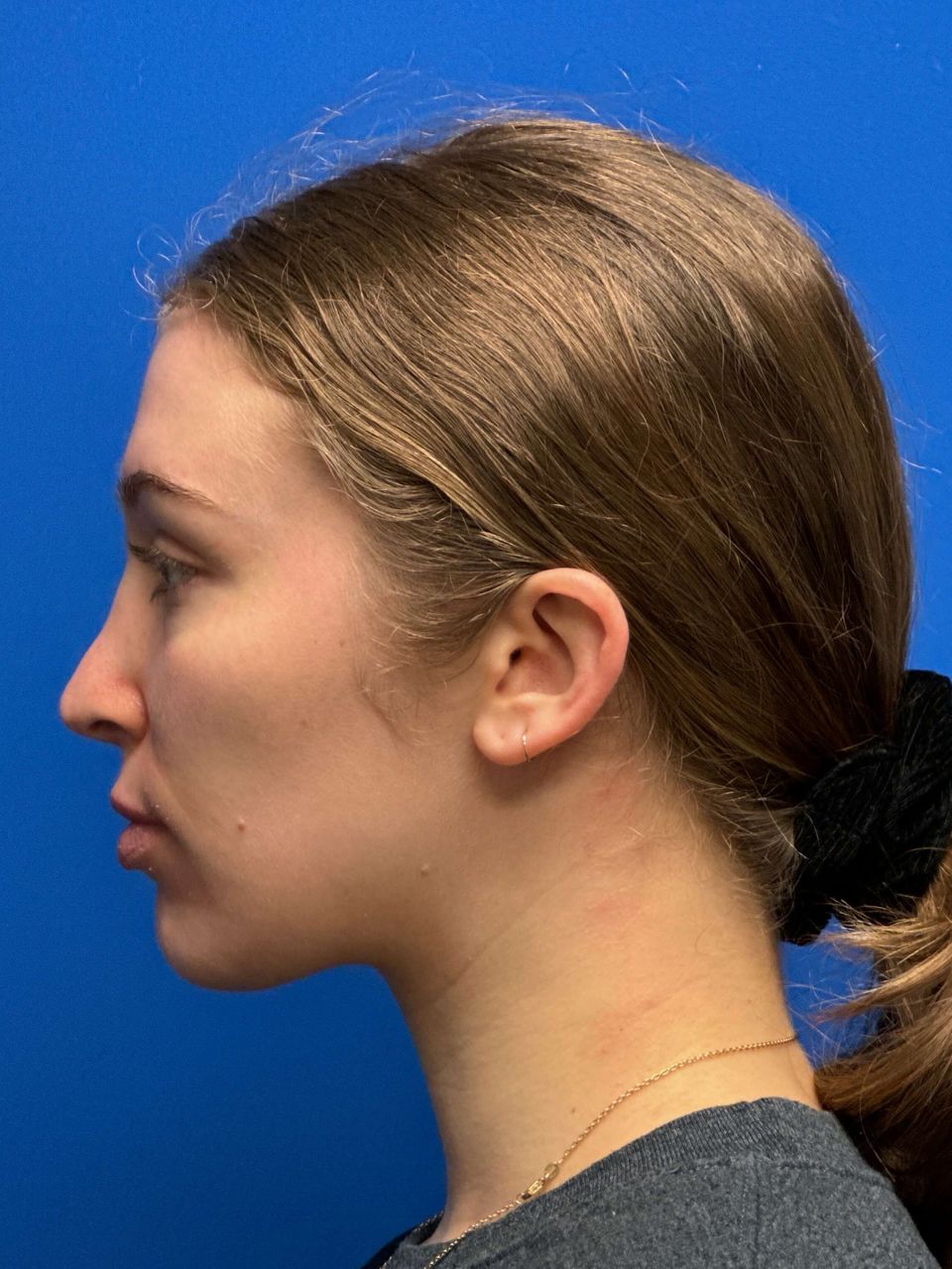
Video Education
Academic Authority
Published Research on Rhinoplasty
Nasal Reconstruction
Practical Plastic Surgery — Eds. Kryger ZB & Sisco M (CRC Press / Landes Bioscience, Ch. 38, pp. 210–214) (2007)
Reference chapter on nasal subunit anatomy, structural cartilage support, and functional airway preservation.
Book Review: Master Techniques in Rhinoplasty
Aesthetic Surgery Journal · 2012;32(8):1037–1038 (2012)
Invited critical review in Aesthetic Surgery Journal examining contemporary structural and preservation rhinoplasty techniques.
Rhinoplasty Frequently Asked Questions
How much does rhinoplasty cost?
The cost of rhinoplasty varies depending on the technique used and the complexity of the procedure. During your consultation, we will listen to your needs and goals to create a customized treatment plan. Afterward, we'll provide a detailed cost breakdown, including fees for the facility, anesthesia, and other factors. To achieve the best results, it's important to prioritize selecting an experienced surgical team over focusing solely on the lowest cost. To make the procedure more affordable, we accept various payment methods and can assist you in exploring low-interest financing options.
Will my insurance cover functional nose surgery?
While rhinoplasty performed for cosmetic reasons is not covered by insurance, functional rhinoplasty necessary for improving breathing may qualify for coverage. If you believe your procedure might be medically necessary, let us know during your consultation. Our team will assist you with submitting the required paperwork and documentation to help process your insurance claim.
Are there nonsurgical options to change my nose?
For minor imperfections, a hyaluronic acid-based filler, such as Juvéderm or Restylane, can temporarily smooth lumps or bumps on the nose. Injectable fillers are a noninvasive option that can help you decide if you want to proceed with rhinoplasty. However, nose surgery is a better solution for permanent changes, more significant adjustments, or improving the internal structure for better function. During your consultation, we'll discuss nonsurgical options and whether they suit your goals.
What about ethnic rhinoplasty?
Ethnic rhinoplasty focuses on enhancing the nose's appearance while preserving your cultural identity. If you are of African-American, Asian, or Middle-Eastern descent, we'll discuss your preferences during the consultation. Together, we'll determine what features to maintain and what changes to make, allowing us to customize your treatment plan to achieve the best possible outcome while honoring your heritage.
Can I combine nose surgery with other facial surgeries?
Many patients choose to combine rhinoplasty with other procedures, such as cheek or chin augmentation, to achieve more comprehensive facial harmony. This option can be discussed during your consultation as we work with you to design a treatment plan that meets your aesthetic goals. Since rhinoplasty often enhances facial balance, it's recommended to wait and assess your results before deciding on additional procedures.
Will my nose look natural after rhinoplasty?
Your surgeon's goal is a nose that fits your face and doesn't look operated on. He preserves your unique and ethnic features while refining what bothers you.
Can I see what my new nose will look like?
Yes. Your NSPS surgeon uses 3D imaging to help you visualize possible changes. It is a planning tool rather than a guarantee, since healing and anatomy affect the final result.
Does insurance cover rhinoplasty?
Cosmetic rhinoplasty is not covered. If you have a documented breathing problem, such as a deviated septum, the functional portion of surgery may be covered by your plan.