

Transaxillary breast augmentation is a breast enhancement technique that places implants through a small incision tucked inside a natural crease of the underarm rather than on the breast itself. It is designed for women who want fuller, more balanced breasts without a visible scar along the lower breast fold or around the areola.
At Northwestern Specialists in Plastic Surgery in Chicago, our surgeons use specialized camera-guided (endoscopic) instruments to create a precise implant pocket through this hidden approach. Once healed, the incision blends into the natural lines of the armpit, leaving the entire breast envelope untouched.
Because not every plastic surgeon routinely performs endoscopic armpit-incision augmentation, patients often travel to your NSPS surgeon specifically for this "scarless-on-the-breast" option paired with modern smooth silicone, Motiva, or saline implants.
What makes transaxillary breast augmentation different?
In a standard breast augmentation, the incision sits either in the crease beneath the breast (inframammary) or along the border of the areola (periareolar). While those scars usually fade well, they still sit on the breast itself — where they can occasionally show in a bikini, sheer lingerie, or when lying down.
With the transaxillary approach, the breast skin, breast tissue, milk ducts, and lower breast fold are never incised. Instead, your NSPS surgeon places a short incision inside one of the natural horizontal folds high in the armpit. Even in sleeveless tops or swimwear, that line sits camouflaged within normal skin creases.
Keeping the incision away from the lower pole of the breast also preserves the natural support structures along the inframammary fold, while avoiding direct dissection through breast parenchyma and milk ducts.
How endoscopic camera guidance elevates precision
Decades ago, older armpit-incision techniques were performed "by feel" without a camera, which made it harder to control bleeding or shape the lower breast fold accurately. Modern endoscopic transaxillary breast augmentation solves that limitation.
- High-definition endoscopic view: your NSPS surgeon inserts a slender surgical camera through the underarm opening, magnifying internal anatomy on a monitor so every millimeter of the pocket is shaped under direct vision.
- Pinpoint hemostasis: Fine instruments seal tiny blood vessels immediately rather than stretching or tearing tissue, which helps minimize bruising, swelling, and capsular contracture risk.
- Tailored pocket placement: Depending on your chest anatomy and soft-tissue coverage, the implant can be positioned in a dual-plane (partially under the pectoral muscle) or subfascial plane for a smooth upper-pole transition.
- No-touch sleeve delivery: Modern smooth round silicone, ergonomic, or saline implants are glided cleanly through a sterile delivery funnel without touching the surrounding skin.
Am I a good candidate for armpit-incision breast augmentation?
Most women seeking primary (first-time) breast augmentation are candidates for the transaxillary approach. You may be an especially strong fit if you:
- Want to keep your breasts completely free of surgical scars
- Have naturally small breasts with a poorly defined lower fold where a crease scar might be harder to hide
- Tend to form noticeable or pigmented scars on your chest and prefer an inconspicuous underarm crease
- Have minimal to mild breast droop and do not need excess breast skin removed
- Are in good general health, maintain a stable weight, and do not smoke or vape nicotine
Certain situations call for a different incision. If you need a concurrent breast lift (mastopexy), have significant breast asymmetry or tuberous breast anatomy requiring direct glandular reshaping, or choose very large implants relative to a narrow axillary tunnel, an inframammary incision may give you a more predictable result. Your NSPS surgeon will examine your anatomy and walk you honestly through every option.
Transaxillary vs. inframammary incision: how do they compare?
Both approaches can deliver soft, natural-looking results when matched to the right patient. Understanding the trade-offs helps you choose with confidence:
- Scar visibility on the breast: Transaxillary leaves zero scars on the breast; inframammary places a thin scar in the crease underneath the breast.
- Implant options: Both support modern smooth silicone gel implants (including Sientra, Natrelle, Mentor, and select Motiva profiles) as well as saline implants.
- Nipple sensation and breastfeeding: Because the transaxillary pathway stays completely outside the breast gland and away from the areola, ducts and deep nipple-areola nerve branches along the breast mound are avoided.
- Future implant exchange: If you ever choose to change implant size years later, simple exchanges can often be performed through the same underarm scar, though complex capsule revisions may use a crease incision.
What to expect on surgery day
Transaxillary breast augmentation is performed as an outpatient procedure in an accredited surgical facility, so you return home the same day. Before you go back to the operating room, your NSPS surgeon marks your natural underarm crease while your arms are relaxed and raised so the short incision lands inside your deepest natural fold.
Under general anesthesia, your NSPS surgeon creates the endoscopic pathway, sculpts symmetrical pockets under camera visualization, verifies contour and balance in an upright position, and closes the underarm skin with fine absorbable sutures beneath the surface — meaning there are no external stitches to pull out.
You wake up wearing a soft supportive surgical bra with no drains in routine primary cases.
Recovery and underarm scar care
Recovery closely mirrors standard breast augmentation, with a few underarm-specific care tips during the first two weeks. You will feel chest tightness and mild soreness in the upper chest and underarms for the first several days, managed with multimodal non-opioid comfort medication and optional long-acting local numbing.
Gentle shoulder rolls and normal daily arm movement are encouraged right away so your shoulders do not feel stiff, while heavy lifting and overhead gym workouts pause for several weeks. You should avoid shaving or applying deodorant directly over the healing underarm incision for roughly two weeks until the surface is fully sealed; once healed, silicone scar gel and sun protection help the line fade into a faint, wrinkle-like crease.
Safety, risks, and routine breast imaging
Every surgical procedure carries potential risks, including bleeding, infection, changes in nipple or underarm skin sensation, implant rippling or malposition, implant rupture, and capsular contracture (firm scar tissue around the implant). Using endoscopic visualization, meticulous vessel sealing, and a no-touch insertion funnel helps keep complication rates low.
Having implants placed through the armpit does not interfere with breast cancer screening. Always let your mammography technologist know you have breast implants so standard implant-displacement (Eklund) views are taken.
How much does transaxillary breast augmentation cost in Chicago?
Total cost depends on the type of implant you select (saline, cohesive silicone gel, or specialty implants), operating-room and endoscopic equipment fees, and anesthesia time. At your consultation, you will receive a transparent, itemized quote covering surgeon, facility, anesthesia, implant, and routine post-operative visits, along with available patient financing options.
Why choose your NSPS surgeon in Chicago
Endoscopic transaxillary breast augmentation requires dedicated training and specialized optical instruments that many practices do not maintain. As a Harvard-educated, Northwestern-trained, board-certified plastic surgeon in Chicago, your NSPS surgeon has performed endoscopic armpit-incision augmentations for years across a wide spectrum of body frames and implant profiles.
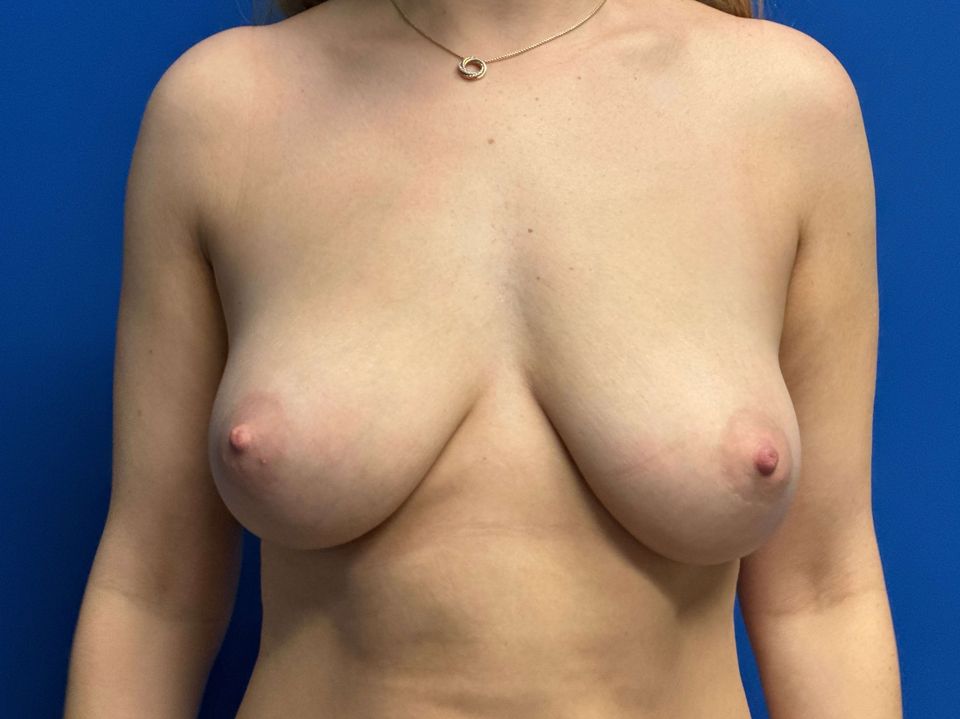
During your consultation, you can review real transaxillary before-and-after cases — including close-up views showing both breast symmetry and healed results — try sizers in front of a mirror, and decide whether an armpit crease, Preservé™ tissue-preserving augmentation, or a traditional fold approach fits your goals.
Transaxillary Breast Augmentation Recovery Timeline
- Days 1–3Rest at home with light walking; chest tightness and mild underarm tenderness peak and begin easing.
- Days 5–7Most patients return to desk work and driving once off prescription pain medication; avoid deodorant or shaving over the incision.
- Week 2Incision surface is typically sealed; resume normal underarm hygiene and start gentle scar care as cleared by your NSPS surgeon.
- Weeks 3–4Gradually resume lower-body cardio and light daily exercise while keeping upper-body strain minimal.
- Week 6Cleared for full upper-body workouts, swimming, and regular underwire or sports bras in most cases.
- Months 3–6Implants settle into their soft, natural lower-pole contour and the underarm crease line continues fading.
Individual healing timelines vary. Your NSPS surgical team provides tailored post-operative guidance.
Transaxillary Breast Augmentation Before & After Photos
View all cases →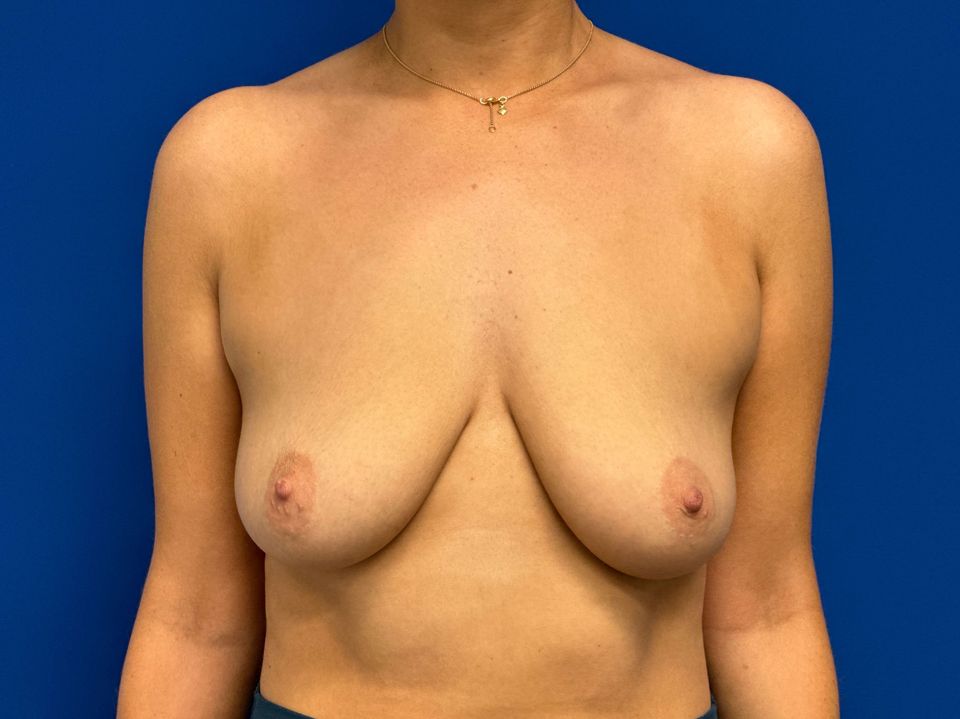
Video Education
Academic Authority
Published Research on Transaxillary Breast Augmentation
Solving Problems Before They Occur: Making Transaxillary Breast Augmentation Work for You
Managing Common and Uncommon Complications of Aesthetic Breast Surgery (Springer, Ch. 11) (2021)
Details Dr. Schierle’s endoscopic pocket dissection landmarks, inframammary fold control, and preventive steps that make armpit-incision breast augmentation predictable and scar-free on the breast.
Endoscopic Approaches to the Breast
Plastic Surgery, Volume Five: Breast, 3rd Ed. — Eds. Neligan PC & Grotting JC (Elsevier Saunders, Ch. 5, ISBN 978-1-4557-1056-0) (2013)
Foundational reference chapter in plastic surgery’s flagship 6-volume textbook covering endoscopic transaxillary breast augmentation anatomy, instrumentation, and dual-plane implant placement.
Transaxillary Breast Augmentation Frequently Asked Questions
Will the incision in my armpit be noticeable?
The incision is small and placed discreetly within the natural crease of the armpit. Over time, the scar usually fades and becomes barely noticeable. At Northwestern Specialists in Plastic Surgery, we use advanced techniques to minimize scarring as much as possible.
Can I breastfeed after transaxillary breast augmentation?
In most cases, transaxillary breast augmentation does not interfere with your ability to breastfeed. The incision avoids direct manipulation of breast tissue, preserving the milk ducts. We can discuss this further if you have specific concerns during your consultation.
How do I prepare for transaxillary breast augmentation surgery?
Our team in Chicago, IL, will provide personalized pre-operative instructions during your consultation. This may include avoiding certain medications, stopping smoking, and arranging for someone to drive you home after surgery. Preparing your home for recovery can also make the process easier.
Will people see a scar when I wear a tank top or raise my arms?
Your NSPS surgeon places the short incision directly inside one of the natural horizontal creases high in your armpit. While any new incision looks pink for the first few months, it matures inside that natural fold so it blends in like an ordinary skin line.
Can silicone implants be placed through the armpit, or only saline?
Modern pre-filled cohesive silicone gel implants can be placed safely through the armpit using endoscopic pocket preparation and a sterile no-touch delivery sleeve. Both silicone and saline options are available depending on your anatomy and size goals.
Does armpit-incision breast augmentation hurt more than an under-breast incision?
Overall chest discomfort is very similar because it comes primarily from the pocket beneath the pectoral muscle rather than the skin incision itself. You may notice mild soreness in the underarm crease when reaching high overhead during the first week.
Does the transaxillary approach affect lymph nodes or future breast cancer checks?
The surgical plane tunnels cleanly beneath the skin crease toward the chest wall while staying superficial and anterior to the deep axillary lymph node basin. Still, if you ever need a sentinel lymph node biopsy decades later, you should let your breast surgeon know you had a transaxillary augmentation.
When can I shave my underarms and wear deodorant again?
Most patients wait about 10 to 14 days until the surface skin edges are completely sealed and cleared at your first post-operative check. Shaving slightly around the crease carefully is fine once approved.