

Blepharoplasty, or eyelid surgery, removes excess skin and fat from the upper or lower eyelids to create a brighter, more rested appearance. It's for people whose heavy upper lids, puffy lower lids, or under-eye bags make them look tired, older, or even block their vision.
Your eyes are often the first place people notice signs of fatigue and aging. A well-done blepharoplasty can make a big difference while keeping you looking like yourself.
Your NSPS surgeon performs eyelid surgery for patients across Chicago, and many upper eyelid procedures can be done right in the office under local anesthesia, with no general anesthesia required.
Benefits of eyelid surgery
Because the eyes are so central to how others read your face, small changes here can have a big impact.
- A brighter, more alert, and rested appearance
- Easier application of eye makeup
- Smoother lower lids with fewer bags and shadows
- Improved peripheral vision when heavy upper lids were blocking it
- Results that look natural and keep the character of your eyes
Many patients say people tell them they look rested or refreshed, without being able to pinpoint why.
Am I a good candidate for eyelid surgery?
You may be a good candidate if you're in good health and bothered by changes around your eyes. Common concerns include:
- Excess, hooded skin on the upper eyelids
- Upper lid skin that touches your lashes or makes makeup hard to apply
- Heavy lids that block part of your field of vision
- Puffiness or bags under the eyes
- Loose or crepey lower eyelid skin
- A tired look even when you're well rested
Before surgery, your NSPS surgeon will ask about your eye health, including dry eye and vision history. In some cases, drooping brows are part of the problem, and he may discuss a brow procedure as well.
Upper vs. lower blepharoplasty
Eyelid surgery can treat the upper lids, lower lids, or both. Your NSPS surgeon will recommend the approach that matches your concerns.
- Upper blepharoplasty: Removes extra skin, and sometimes a small amount of fat, from the upper lids. The incision sits in the natural eyelid crease, so the scar is well hidden.
- Lower blepharoplasty: Reduces under-eye bags by removing or repositioning fat. It can smooth the transition between the lower lid and cheek.
- Transconjunctival approach: For lower lids, an incision inside the eyelid leaves no visible scar. This works well when bags are the main issue.
- Skin pinch or subciliary approach: An incision just under the lash line removes loose lower-lid skin when needed.
Some patients also benefit from fat grafting to soften hollows under the eyes.
In-office eyelid surgery under local anesthesia
Many upper blepharoplasty procedures can be performed in your surgeon's office using local anesthesia. You're awake but comfortable, and the area is completely numb.
Patients appreciate the convenience, lower cost compared with a surgical facility, and the chance to skip general anesthesia. Most go home shortly after the procedure.
Lower eyelid surgery, or combined upper and lower procedures, may be performed with sedation or general anesthesia in a surgical facility. Your NSPS surgeon will recommend the safest and most comfortable setting for you.
Eyelid surgery vs. non-surgical options
Some concerns around the eyes respond well to non-surgical treatments, while others need surgery for meaningful improvement.
- Neurotoxins: Soften crow's feet and can slightly lift the brow, but don't remove skin or bags.
- Fillers: Can soften hollows under the eyes in select patients, but may make true fat bags look worse.
- Skin resurfacing: Improves fine lines and texture of thin eyelid skin.
- Blepharoplasty: Removes excess skin and treats fat bags directly for a longer-lasting change.
Your NSPS surgeon will examine your eyes and recommend the approach, or combination, that best fits your goals.
Is eyelid surgery covered by insurance?
When heavy upper eyelids block your vision, upper blepharoplasty may be considered medically necessary. Insurers often require a visual field test and photographs to document the problem.
Cosmetic eyelid surgery, including most lower eyelid procedures, is not covered. Our team can help you understand whether your situation may qualify.
How do I prepare for eyelid surgery?
Your team will give you a full set of instructions before your procedure. In general, you'll want to:
- Stop smoking and nicotine use several weeks before and after surgery
- Avoid aspirin, certain anti-inflammatory drugs, and supplements that increase bleeding, as directed
- Let your NSPS surgeon know about any dry eye, glaucoma, or vision issues
- Have someone available to drive you home after surgery
- Stock up on cold compresses, gauze, and any recommended eye drops
Bring glasses to wear home, since you'll skip contact lenses for a while.
What happens on the day of surgery?
Your NSPS surgeon will carefully mark the amount of skin to remove while you're sitting upright. For in-office procedures, he'll then numb the area with local anesthetic.
Upper eyelid surgery usually takes about an hour; adding lower lids takes longer. Fine stitches close the incisions. You'll head home with cold compresses and instructions, and someone should drive you.
What is eyelid surgery recovery like?
Swelling and bruising are normal for the first week or two. Cold compresses and keeping your head elevated help them go down faster. Your eyes may feel tight, dry, or watery for a few days.
Stitches are usually removed about five to seven days after surgery. Most patients feel comfortable returning to work and social activities within one to two weeks. You'll avoid contact lenses, eye makeup, and strenuous exercise for a short period.
Your eyes will continue to look more refined as swelling resolves over the next couple of months.
How long do eyelid surgery results last?
Results from lower blepharoplasty are often very long-lasting, and fat bags rarely return. Upper eyelid results typically last many years, although skin continues to age and the brows may descend over time.
Sun protection and good skincare help maintain your refreshed look.
Risks and safety
Eyelid surgery is a common and well-tolerated procedure. Possible risks include dry eyes, temporary blurred vision, difficulty fully closing the eyes for a short time, asymmetry, scarring, changes in lower-lid position, and, rarely, more serious vision problems.
Your NSPS surgeon reviews your eye health beforehand and takes a conservative approach to tissue removal to protect eyelid function.
Combining eyelid surgery with other procedures
Blepharoplasty is often combined with a facelift, brow procedure, or fat grafting for a more balanced rejuvenation. Some patients pair it with in-office chin liposuction or a lip lift.
Your NSPS surgeon will help you decide what will make the biggest difference for your goals.
Why the brows matter
Sometimes what looks like heavy eyelid skin is actually caused by brows that have descended over time. If only the eyelid skin is removed, the brows can sit even lower and the result may look tired or unbalanced.
Your NSPS surgeon checks your brow position during consultation. If your brows are a factor, he may recommend a brow procedure together with, or instead of, eyelid surgery. This careful assessment is one of the keys to a natural, refreshed result.
How much does eyelid surgery cost in Chicago?
Cost depends on whether you're treating the upper lids, lower lids, or both, whether surgery is done in-office or in a surgical facility, and the type of anesthesia. You'll receive a personalized quote after your consultation.
Why choose your NSPS surgeon for eyelid surgery?
Your NSPS surgeon is a board-certified plastic surgeon and Fellow of the American College of Surgeons, with an MD and PhD. He was educated at Harvard and trained at Northwestern.
He offers in-office upper eyelid surgery under local anesthesia for eligible patients and takes a careful, conservative approach that keeps your eyes looking natural. Schedule a consultation at our Streeterville and River North clinics in Chicago to learn more.
Blepharoplasty Recovery Timeline
- Day 1–3Rest with your head elevated and use cold compresses. Mild swelling, bruising, and tightness are normal.
- Days 5–7Stitches are removed at your follow-up visit. Swelling and bruising start to fade.
- Weeks 1–2Most patients return to work and social activities. Eye makeup may resume once cleared.
- Weeks 2–4Exercise and contact lens use typically resume. Incision lines continue to soften.
- Months 2–3Residual swelling resolves and final results are visible.
Individual healing timelines vary. Your NSPS surgical team provides tailored post-operative guidance.
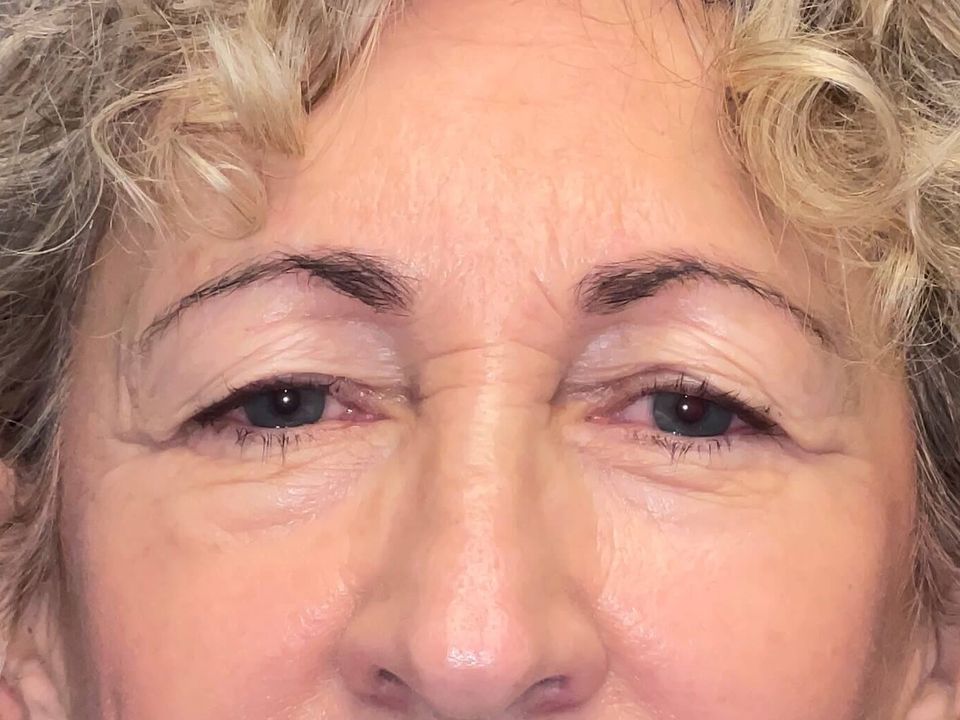
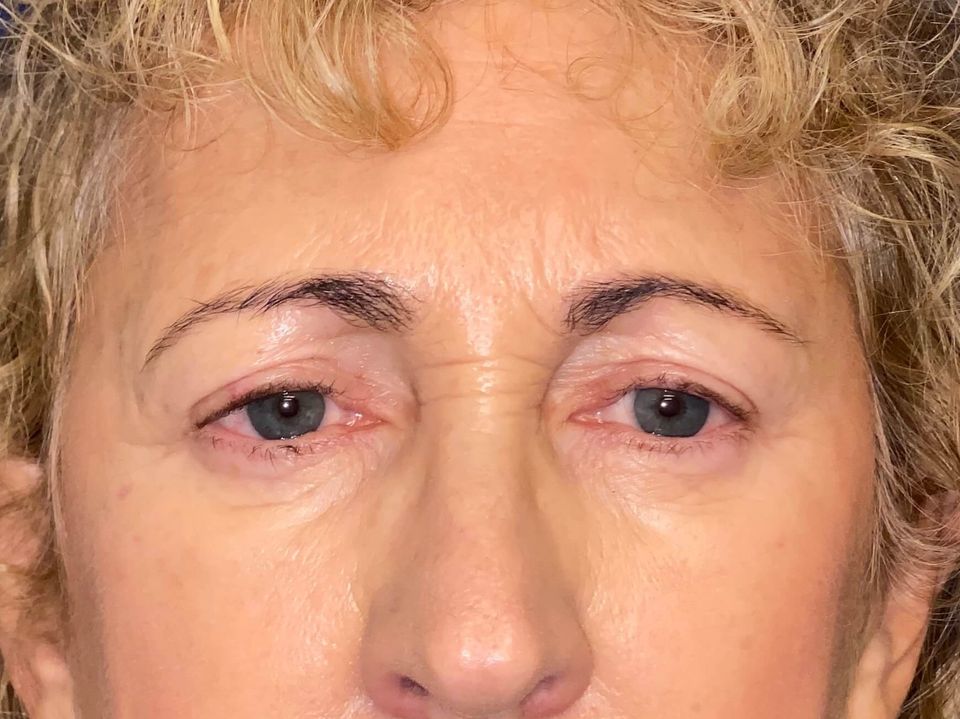
Blepharoplasty Before & After Photos
View all cases →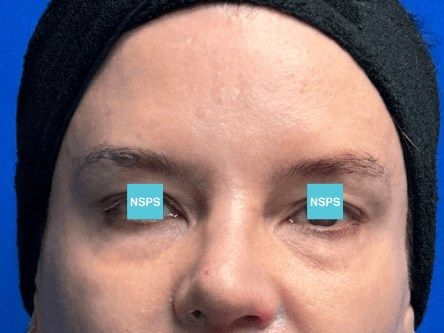
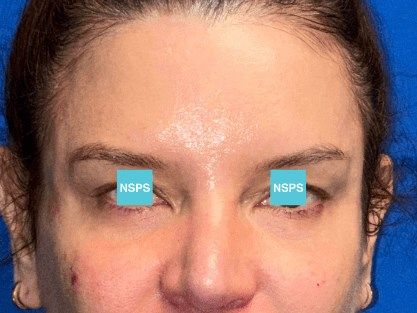
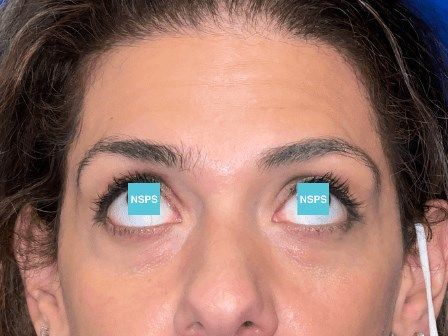
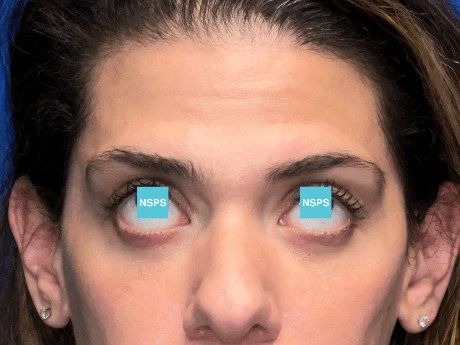
Blepharoplasty Frequently Asked Questions
Will blepharoplasty change the shape of my eyes?
Blepharoplasty is designed to rejuvenate the eye area without completely altering your natural eye shape. However, subtle changes can occur, such as a more defined eyelid crease or reduced heaviness, which can make your eyes appear larger or more open. Your surgeon will discuss how your unique anatomy and goals may influence these results.
How long will the scars from blepharoplasty be noticeable?
While scars from blepharoplasty are typically hidden in the eyelid’s natural folds or lash lines, mild redness or firmness can persist for a few months. Most patients find that scars soften and fade significantly within six months to a year, becoming barely visible over time with proper aftercare.
Can blepharoplasty help with vision problems caused by droopy eyelids?
Yes, if your upper eyelids are sagging enough to obstruct your field of vision, blepharoplasty can lift the excess skin and improve peripheral vision. Many patients notice less strain when reading or driving after surgery, as their visual field is no longer blocked by drooping eyelids.
Can eyelid surgery be done under local anesthesia?
Yes. Many upper eyelid procedures are performed in your surgeon's office under local anesthesia. Lower or combined procedures may be done with sedation or general anesthesia.
Will I have visible scars after blepharoplasty?
Upper eyelid scars are hidden in the natural crease and usually fade to a fine line. Lower eyelid surgery can often be done from inside the lid with no visible scar.
Does insurance cover eyelid surgery?
Upper eyelid surgery may be covered if heavy lids block your vision, usually confirmed with a visual field test. Cosmetic eyelid surgery is not covered.
How long will I be bruised?
Most bruising and swelling improve noticeably within one to two weeks. Cold compresses and keeping your head elevated help speed recovery.
Will eyelid surgery get rid of dark circles?
Eyelid surgery can reduce bags and shadows caused by puffiness. Dark circles from skin pigment may need other treatments, which your NSPS surgeon can discuss with you.