

Breast augmentation is surgery that uses implants to add volume, improve shape, and create better balance between your breasts. It's a good fit if you've always felt small, lost fullness after pregnancy or weight loss, or have breasts that differ noticeably in size.
At Northwestern Specialists in Plastic Surgery in Chicago, our surgeons focus on results that look like they belong to you. He takes time to understand how you want to look and feel, then builds a plan around your frame, your skin, and your lifestyle.
You'll have real choices along the way, including implant type, size, profile, and where the incision goes. Your NSPS surgeon offers the transaxillary (armpit) approach, which keeps the scar off the breast entirely, along with traditional incision options.
Am I a good candidate for breast augmentation?
You may be a good candidate if you're in good overall health, don't smoke (or are willing to stop well before and after surgery), and have clear, realistic goals. Most women who choose augmentation want one or more of these changes:
- More fullness and projection in breasts that have always felt small
- Restored volume after pregnancy, breastfeeding, or weight loss
- Better symmetry when one breast is noticeably larger than the other
- Improved balance between the upper and lower body
- Clothing and swimwear that fit the way you want
If your breasts sag significantly or your nipples point downward, implants alone may not give you the shape you want. In that case, your NSPS surgeon may suggest pairing augmentation with a breast lift. He'll be honest about what implants can and can't do so you can make a confident decision.
Breast implant options
Choosing an implant is one of the most personal parts of the process. During your consultation, your NSPS surgeon will walk you through the options and help you understand how each one looks and feels in your body.
- Silicone gel implants: Filled with a cohesive gel that feels much like natural breast tissue. Most patients choose silicone for its soft, natural feel.
- Saline implants: Filled with sterile salt water after placement. They can be placed through a slightly smaller incision, and a leak is easy to detect because the implant deflates.
- Motiva implants: A newer generation of silicone implant with a smooth surface and a soft, flexible gel designed to move with you. Your NSPS surgeon offers Motiva implants for patients who want a natural feel and gentle movement.
- Round vs. shaped profiles: Round implants give fullness in the upper breast, while shaped or ergonomic designs can produce a more gradual slope.
Size is measured in cubic centimeters (cc), but the number matters less than how the implant fits your chest. Your NSPS surgeon measures your breast width, skin stretch, and chest wall to recommend a range that will look proportional. You'll also try on sizers so you can see and feel the difference before surgery.
Incision choices, including the armpit approach
Where the incision goes affects where your scar ends up and how the implant is placed. Your NSPS surgeon will recommend the approach that best suits your anatomy and implant choice.
- Transaxillary (armpit) incision: The scar is hidden in a natural crease of the armpit, so there's no scar on the breast itself. Your NSPS surgeon frequently performs this technique and uses a camera-assisted (endoscopic) view to create the implant pocket precisely.
- Inframammary incision: A short incision in the fold under the breast. It offers direct access and is often used for larger silicone implants or revision surgery.
- Periareolar incision: An incision along the lower edge of the areola, where the color change helps disguise the scar.
Implants can be placed partly under the chest muscle (dual-plane) or above the muscle. Placement under the muscle usually provides more soft-tissue coverage, which can help the result look more natural in slender patients. Your NSPS surgeon will explain which option fits your body.
What happens on the day of surgery?
Breast augmentation is an outpatient procedure, which means you go home the same day. You'll meet with your NSPS surgeon and the anesthesia team beforehand to review your plan and confirm your implant choice.
The surgery itself usually takes one to two hours. Your NSPS surgeon creates the pocket for each implant, places it carefully, and checks symmetry with you sitting upright on the operating table before closing the incisions.
Afterward, you'll rest in recovery until you're awake and comfortable. A friend or family member will need to drive you home and stay with you the first night. Many patients receive long-acting local numbing medicine during surgery to help keep the first few days more comfortable.
What is recovery like after breast augmentation?
Most patients describe the first few days as tightness and pressure in the chest rather than sharp pain. You'll wear a supportive surgical bra and take it easy at home while your body begins to heal.
Many women return to desk work within about a week. You'll avoid heavy lifting, pushing, and strenuous exercise for several weeks, then gradually build back up with your surgeon's guidance.
Your implants will sit high and feel firm at first. Over the next several weeks to months, they soften and settle into a more natural position, a process often called "drop and fluff." Patience during this stage pays off.
How long do breast implants last?
Today's implants are designed to last many years, but they aren't considered lifetime devices. Some women keep the same implants for decades, while others choose to change size or address a change in their breasts down the road.
Your results will also be shaped by aging, weight changes, and pregnancy. Wearing supportive bras, keeping a stable weight, and protecting your skin from sun damage all help your results last. The FDA recommends periodic imaging to check silicone implants, and your NSPS surgeon will review a monitoring schedule with you.
Risks and safety
Breast augmentation is a well-established procedure, but every surgery carries some risk. Possible issues include bleeding, infection, changes in nipple sensation, scarring, implant rupture or leak, and capsular contracture (scar tissue tightening around the implant).
There are also rare implant-related conditions you should know about, including breast implant-associated anaplastic large cell lymphoma (BIA-ALCL) and symptoms some patients describe as breast implant illness. Your NSPS surgeon will discuss these openly, answer your questions, and explain how your implant choice affects your risk.
Choosing a board-certified plastic surgeon who operates in accredited facilities is one of the most important things you can do for your safety.
Combining breast augmentation with other procedures
Augmentation is often paired with other procedures to achieve a more complete result. A breast lift can raise and reshape the breasts while an implant restores volume. Many mothers combine augmentation with a tummy tuck or liposuction as part of a mommy makeover.
Combining procedures can mean one anesthesia and one recovery period. Your NSPS surgeon will help you decide whether combining makes sense for your health and goals or whether staging surgeries is the safer path.
How much does breast augmentation cost in Chicago?
The cost of breast augmentation depends on several factors, including the type of implant you choose, the surgical technique, anesthesia and facility fees, and whether you combine it with another procedure. Because every plan is personal, you'll receive a detailed quote after your consultation.
Breast augmentation for cosmetic reasons is generally not covered by insurance. Our team can talk with you about financing options that may help make surgery more manageable.
Why choose your NSPS surgeon for breast augmentation?
Dr. Neil Fine, your NSPS surgeon, and Dr. Simon Moradian bring Harvard and Northwestern academic surgical training, American Board of Plastic Surgery certification, and decades of combined aesthetic and reconstructive experience in downtown Chicago.
He offers the full range of incision options, including the transaxillary armpit approach, and a range of modern implants including Motiva. His goal is a result that looks natural and fits your body, not a one-size-fits-all look.
Patients often mention that he listens carefully, explains things clearly, and never rushes. When you're ready, schedule a consultation at our Streeterville and River North clinics in Chicago to talk through your options.
Breast Augmentation Recovery Timeline
- Day 1–3Rest at home in a surgical bra. Expect chest tightness and soreness managed with medication. Short walks around the house help circulation.
- Week 1First follow-up visit. Many patients return to desk work and light daily activities.
- Weeks 2–3Swelling continues to ease. Light walking and lower-body exercise may be approved. Still no heavy lifting.
- Weeks 4–6Gradual return to most workouts, including upper-body exercise once cleared by your NSPS surgeon.
- Months 2–3Implants soften and settle lower into a natural position. You may be cleared for underwire bras.
- Months 3–6Final shape becomes visible and scars continue to fade.
Individual healing timelines vary. Your NSPS surgical team provides tailored post-operative guidance.
Breast Augmentation Before & After Photos
View all cases →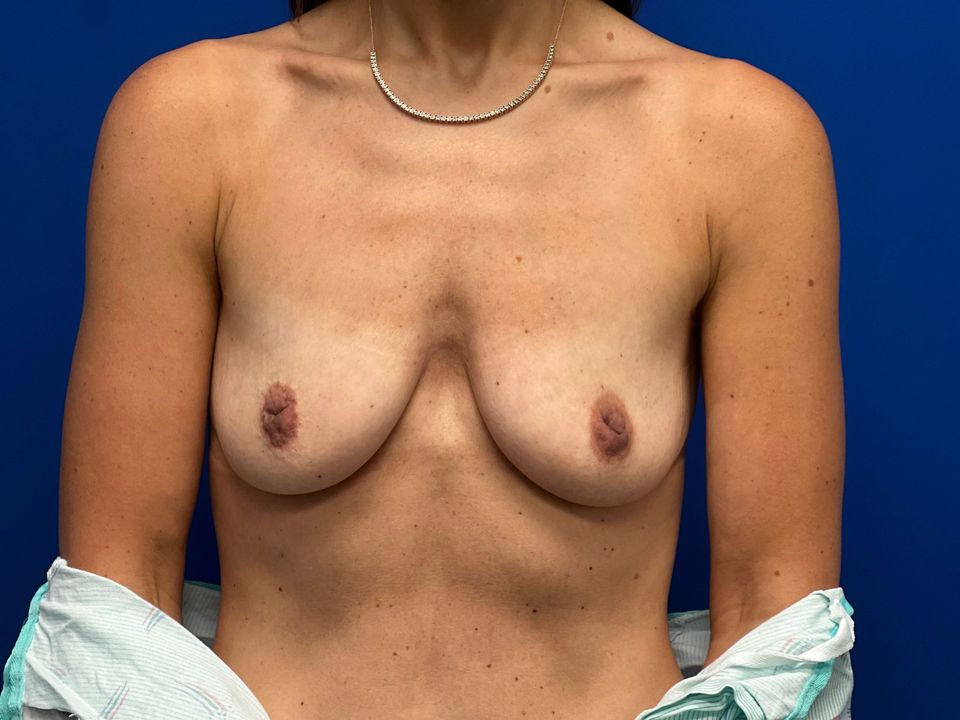
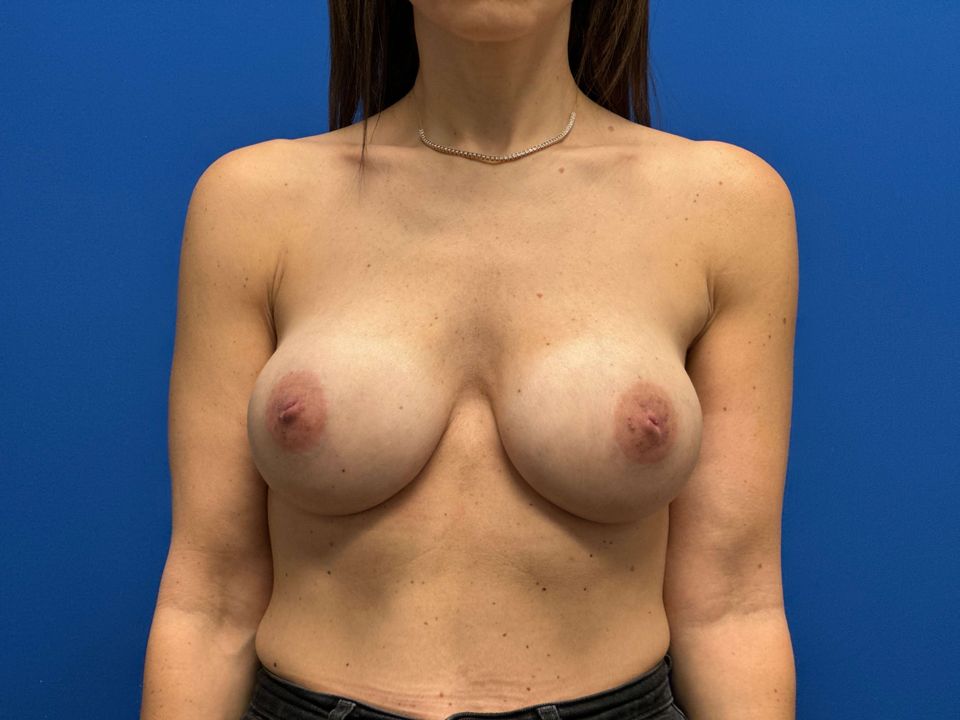
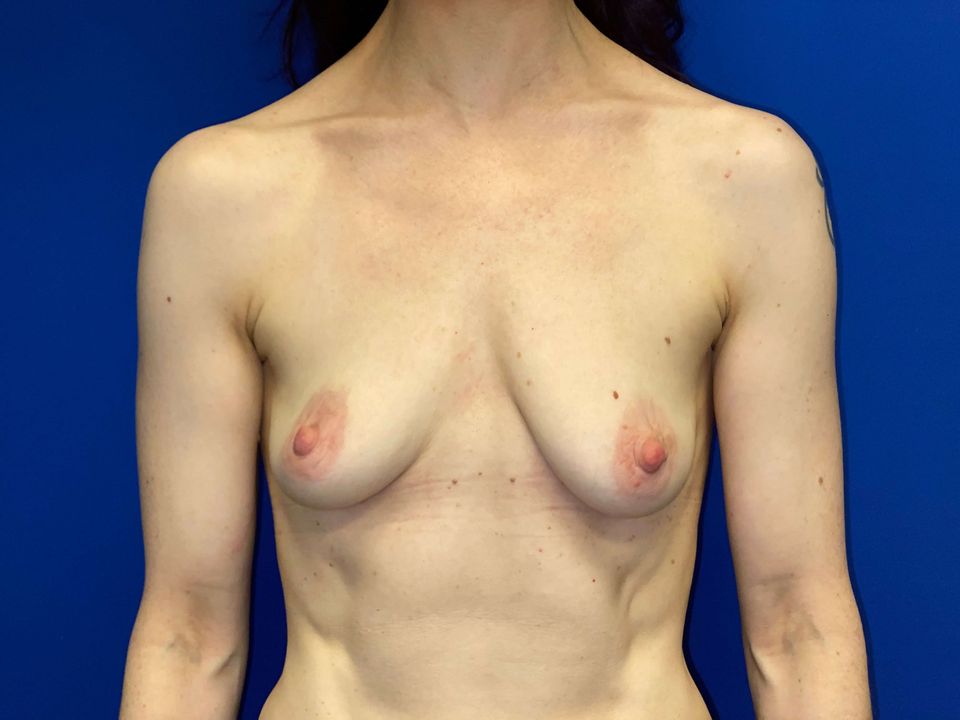
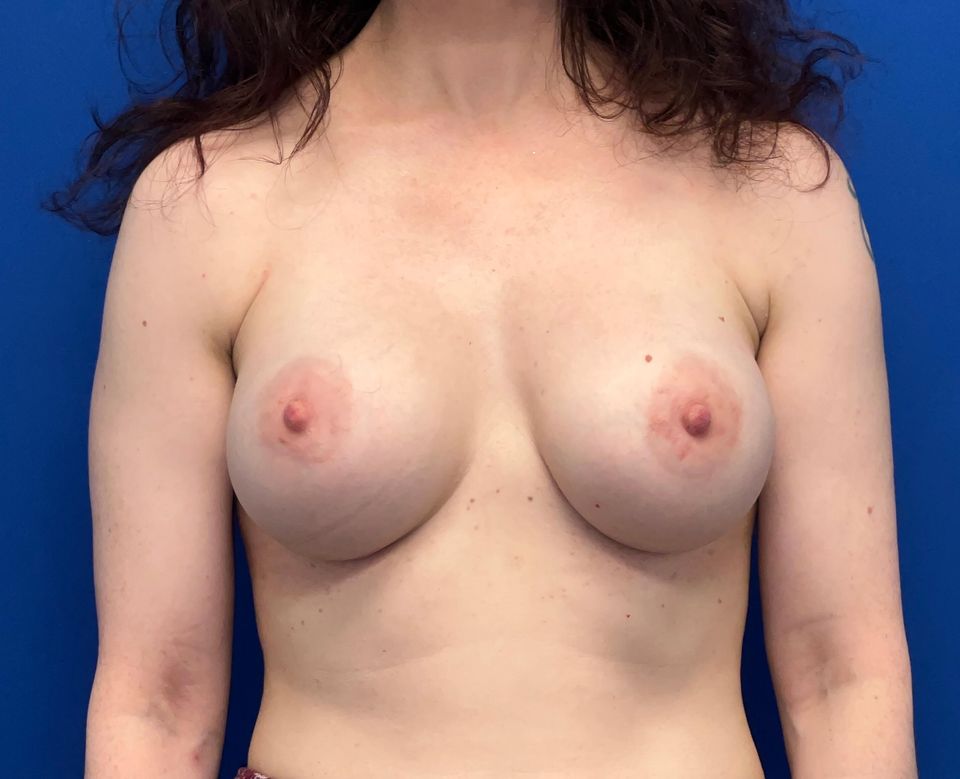
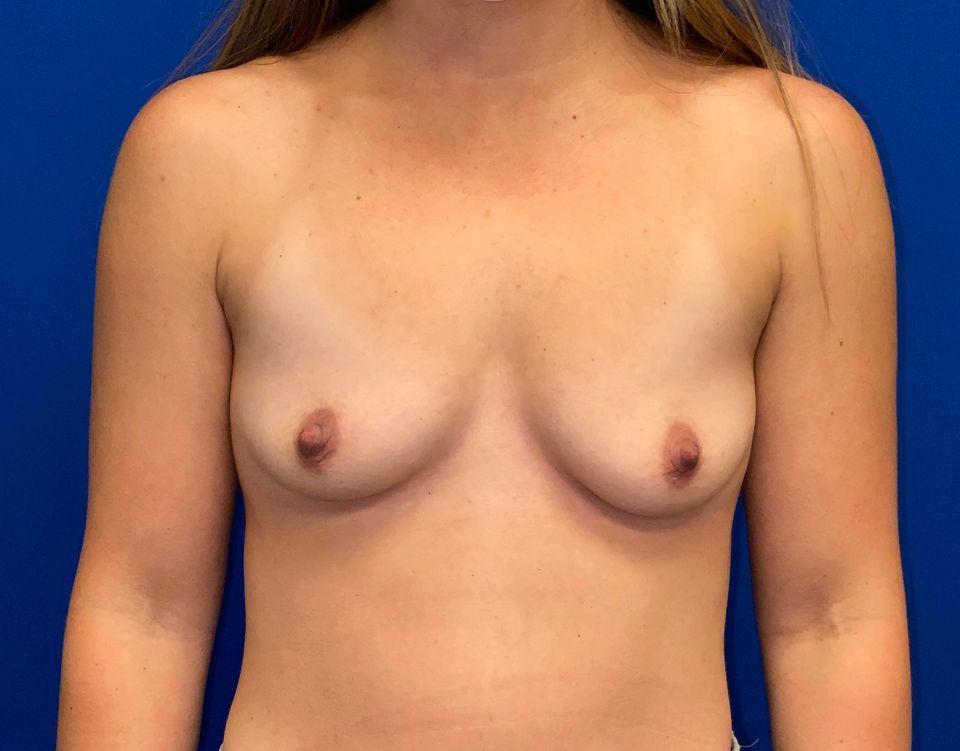
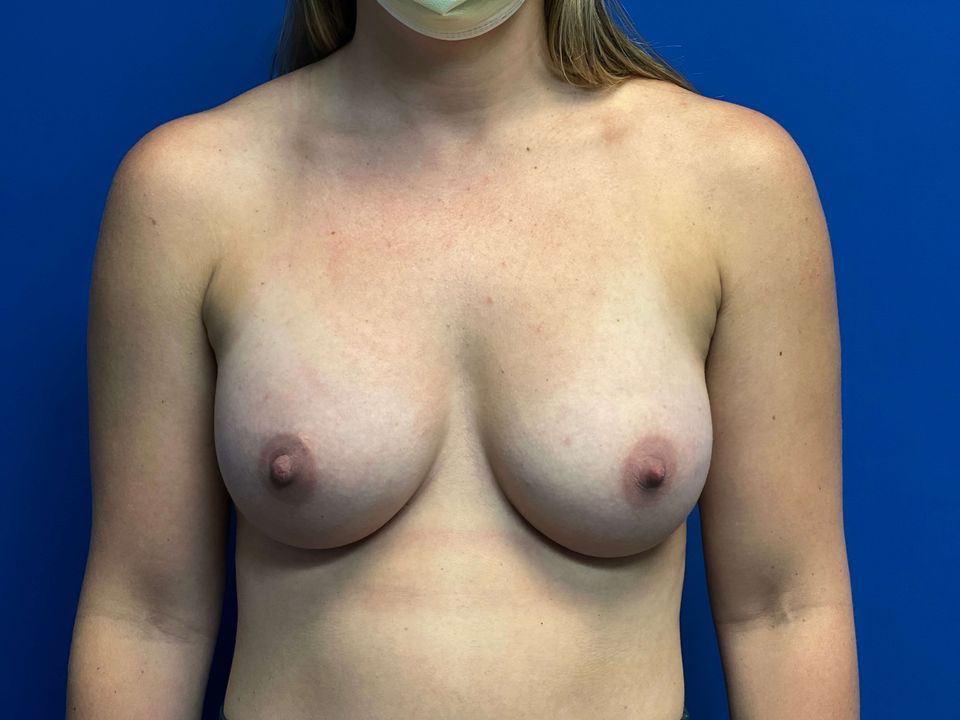
Video Education
Academic Authority
Published Research on Breast Augmentation
Safety of a Protective Funnel in Primary Breast Augmentation: A Retrospective Analysis of 380 Multicenter Cases in the United States
Aesthetic Surgery Journal · 2021;41(9):1034–1040 (2021)
Multicenter clinical study of 380 patients (760 breasts) evaluating no-touch protective funnel implant delivery and early postoperative safety.
Solving Problems Before They Occur: Making Transaxillary Breast Augmentation Work for You
Managing Common and Uncommon Complications of Aesthetic Breast Surgery (Springer, Ch. 11) (2021)
Authored textbook chapter on endoscopic pocket precision, implant selection, and scar-free breast augmentation via the axillary crease.
Breast Augmentation
Cosmetic Bootcamp Primer — Eds. Beer K, et al. (CRC Press / Informa Healthcare) (2011)
Core training chapter on biodimensional planning, pocket plane selection, and natural proportion in primary breast augmentation.
Breast Augmentation Frequently Asked Questions
How much does breast augmentation cost?
The total cost of breast augmentation varies based on implant choices and whether additional procedures are included. Once we create your personalized treatment plan, we will review estimated costs and financing options. To achieve long-lasting results that align with your goals, it's important to prioritize quality over cost.
Do I need a breast lift or augmentation?
Your treatment plan may involve implants, a breast lift, or a combination of both. A breast lift removes excess skin and elevates the breasts, while augmentation enhances their size and shape. During your consultation, we will listen to your concerns and goals before explaining the best treatment options. Many patients choose a combined augmentation and lift as part of a mommy makeover to restore their breasts after pregnancy and breastfeeding.
Can I breastfeed with implants?
If you plan to breastfeed after breast augmentation, let us know during your consultation. In most cases, breastfeeding is still possible with the right surgical technique and implant placement. However, pregnancy and breastfeeding can affect your results, so you may want to wait until your family is complete before undergoing breast augmentation.
Can I have my implants removed?
If you decide to remove or replace your implants in the future, we can perform breast revision surgery. This procedure allows for implant replacement with a different size or material, or complete removal. If implants are removed, a breast lift may be recommended to address stretched skin. If you have any concerns after augmentation surgery, we are here to discuss your options and help you achieve the best outcome.
Do implants cause breast cancer?
The Food and Drug Administration (FDA) is researching a possible link between breast implants and anaplastic large cell lymphoma (ALCL), a rare cancer of the immune cells—not breast cancer. According to the World Health Organization (WHO), implant-associated ALCL is very rare and highly treatable when detected early. We encourage all patients with implants to undergo regular breast screenings. If you notice any unusual changes, such as swelling or visible differences, contact our team for an evaluation.
Will my breast augmentation look natural?
A natural result comes from choosing an implant that fits your chest width and tissue. Your NSPS surgeon measures your anatomy and uses sizers so you can see how different options look before surgery. His philosophy is to enhance your shape, not overpower your frame.
Is there a scar with the armpit (transaxillary) approach?
Yes, but the scar is placed in a natural crease of the armpit, so there is no scar on the breast itself. Over time it usually fades and blends in. Your NSPS surgeon will tell you whether this approach suits your anatomy and implant choice.
Should I choose silicone or saline implants?
Most patients choose silicone because it feels closer to natural breast tissue. Saline implants can be a good option for some patients and are filled after placement. Your NSPS surgeon will explain the pros and cons of each for your body.